The Appliance Moving Day Survival Guide for Coquitlam
Planning a move in Coquitlam and worried about your precious appliances surviving the journey intact? Our comprehensive moving day survival guide covers everything from proper disconnection techniques to post-move setup, ensuring your fridge, washer, and dryer make it to your new home without a scratch.Moving day can feel like orchestrating a symphony where every instrument needs to hit the perfect note – except in this case, your instruments are a 300-pound refrigerator and a washing machine that seems determined to dance its way down the stairs. Whether you’re relocating from Port Coquitlam to central Coquitlam or making the leap to neighboring Burnaby, protecting your major appliances should be at the top of your priority list.I learned this lesson the hard way during my first apartment move when my supposedly “secured” dryer decided to take a tumble down three flights of stairs, leaving me with a $600 repair bill and a healthy respect for proper appliance preparation. Trust me, a little prep work goes a long way in preventing those heart-stopping moments when you hear an expensive crash from the moving truck.
Key Outtakes:
- Proper appliance preparation prevents costly damage during moves in Coquitlam neighborhoods
- Professional disconnection services ensure safety, especially for gas appliances
- Specialized equipment and techniques are essential for safe appliance transportation
- Post-move setup requires specific timing and procedures for optimal appliance performance
- Local moving services understand Coquitlam’s unique housing challenges and requirements
Understanding Appliance Moving Risks in Coquitlam
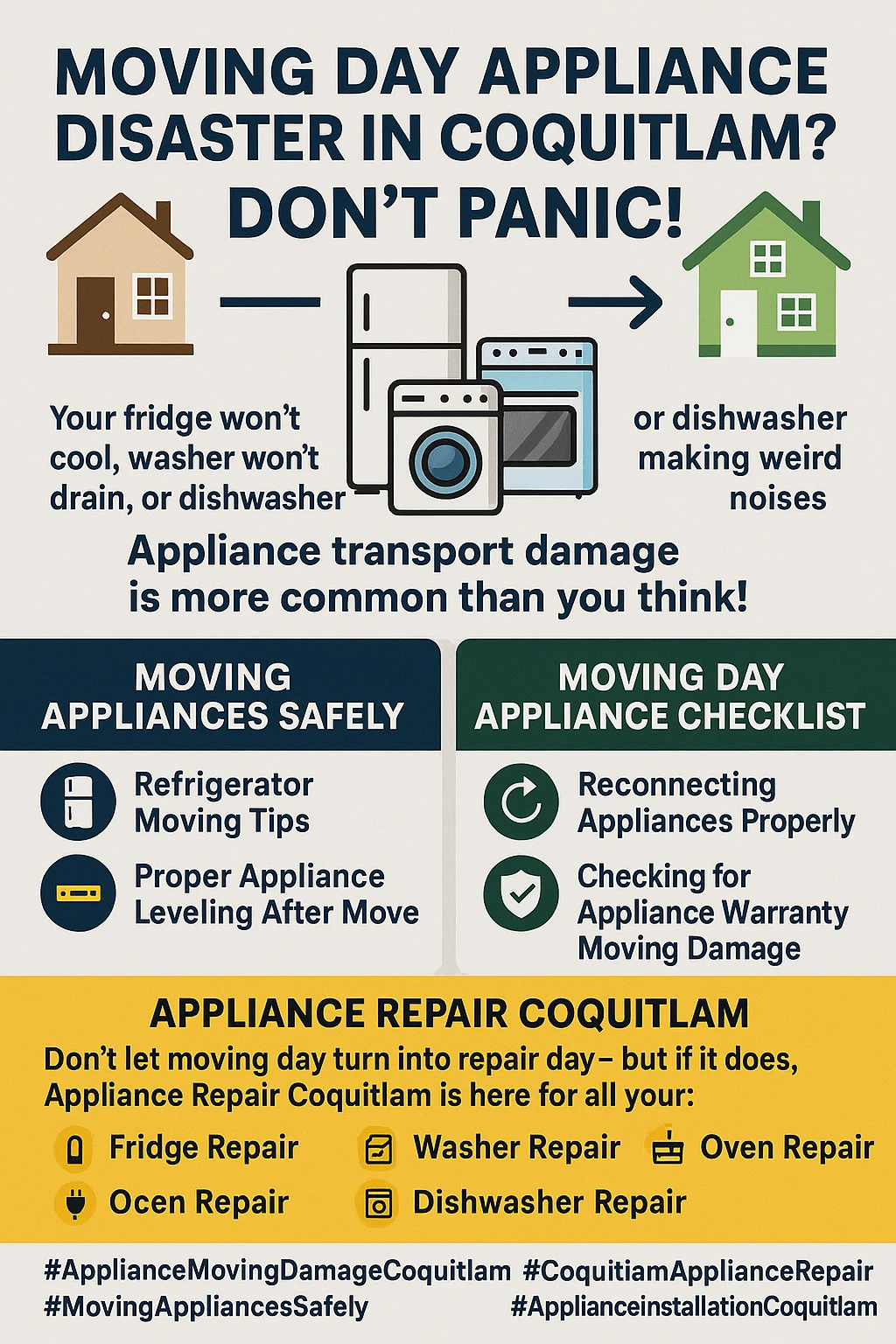
Moving appliances isn’t just about brute strength – it’s about understanding the delicate dance between heavy machinery and physics. Your refrigerator might look sturdy, but it contains intricate cooling systems that can be permanently damaged if tilted beyond certain angles. Similarly, your washing machine has a drum that needs to be properly secured to prevent it from becoming a wrecking ball inside its own housing during transport.The unique housing landscape in Coquitlam presents its own set of challenges for appliance moving. From the multi-level homes in Burke Mountain to the compact condos in Town Centre, each location demands a different approach to safely navigating appliances through doorways, down stairs, and around tight corners. What works for a ground-level rancher in Maillardville might be completely inappropriate for a third-floor walkup in Austin Heights.Weather conditions in the Lower Mainland add another layer of complexity to appliance moves. Rain-slicked surfaces and seasonal temperature fluctuations can affect both the moving process and your appliances’ performance post-move. Understanding these factors ahead of time can mean the difference between a smooth transition and a costly disaster.
Pre-Move Preparation and Disconnection
Building on the foundation of understanding moving risks, the next critical phase involves proper preparation and disconnection of your appliances. This step often separates successful DIY moves from expensive mistakes that could have been easily avoided with the right knowledge and approach.  Refrigerator preparation begins 24 to 48 hours before moving day with a complete defrost cycle. Remove all food items, unplug the unit, and prop the doors open to allow thorough air circulation. Clean the interior with a mild baking soda solution and ensure all ice has completely melted from the freezer compartment. The exterior coils should also be cleaned and any removable shelves or drawers should be secured or removed entirely. This preparation prevents water damage to your new floors and ensures your refrigerator operates efficiently once reconnected.Washing machine and dryer disconnection requires careful attention to water lines and electrical connections. Start by turning off the water supply valves and disconnecting the hoses, allowing any remaining water to drain completely into a bucket. The washing machine drum should be secured with shipping bolts if available, or towels can be used to prevent internal movement during transport. For dryers, disconnect the exhaust vent carefully and secure the door with tape to prevent it from swinging open during the move.Gas appliances present unique safety considerations that often require professional intervention. Gas line disconnection should only be performed by licensed technicians who can ensure proper shut-off procedures and safe reconnection at your new location. This professional approach to appliance safety protects both your property and your family from potentially dangerous gas leaks.
Safe Transportation Techniques
Once your appliances are properly prepared and disconnected, the focus shifts to the physical challenges of safe transportation. This phase requires the right equipment, proper technique, and a clear understanding of each appliance’s specific handling requirements.Heavy-duty appliance dollies are essential tools that distribute weight evenly and provide the leverage needed to move large appliances safely. However, not all dollies are created equal – refrigerators require units that can accommodate their height and maintain an upright position, while washing machines need dollies with sufficient weight capacity and securing straps. Professional-grade moving straps and padding protect both the appliance surfaces and your walls from scratches and dents during navigation through tight spaces.Loading appliances into moving vehicles requires strategic planning and proper securing techniques. Refrigerators must remain upright throughout the entire moving process to protect the cooling system’s delicate components. Washing machines and dryers should be positioned to minimize movement during transport, using moving blankets and tie-downs to create a secure environment. The key is creating a stable foundation that prevents shifting while allowing the vehicle’s suspension to absorb road impacts.Transportation routes through Coquitlam neighborhoods require special consideration for factors like steep driveways, narrow doorways, and tight stairwells. The hills in areas like Westwood Plateau demand extra caution when loading and unloading appliances, while older homes in central Coquitlam might have doorways that require appliance doors to be removed for passage. Planning these logistics ahead of time prevents last-minute scrambling and reduces the risk of damage. 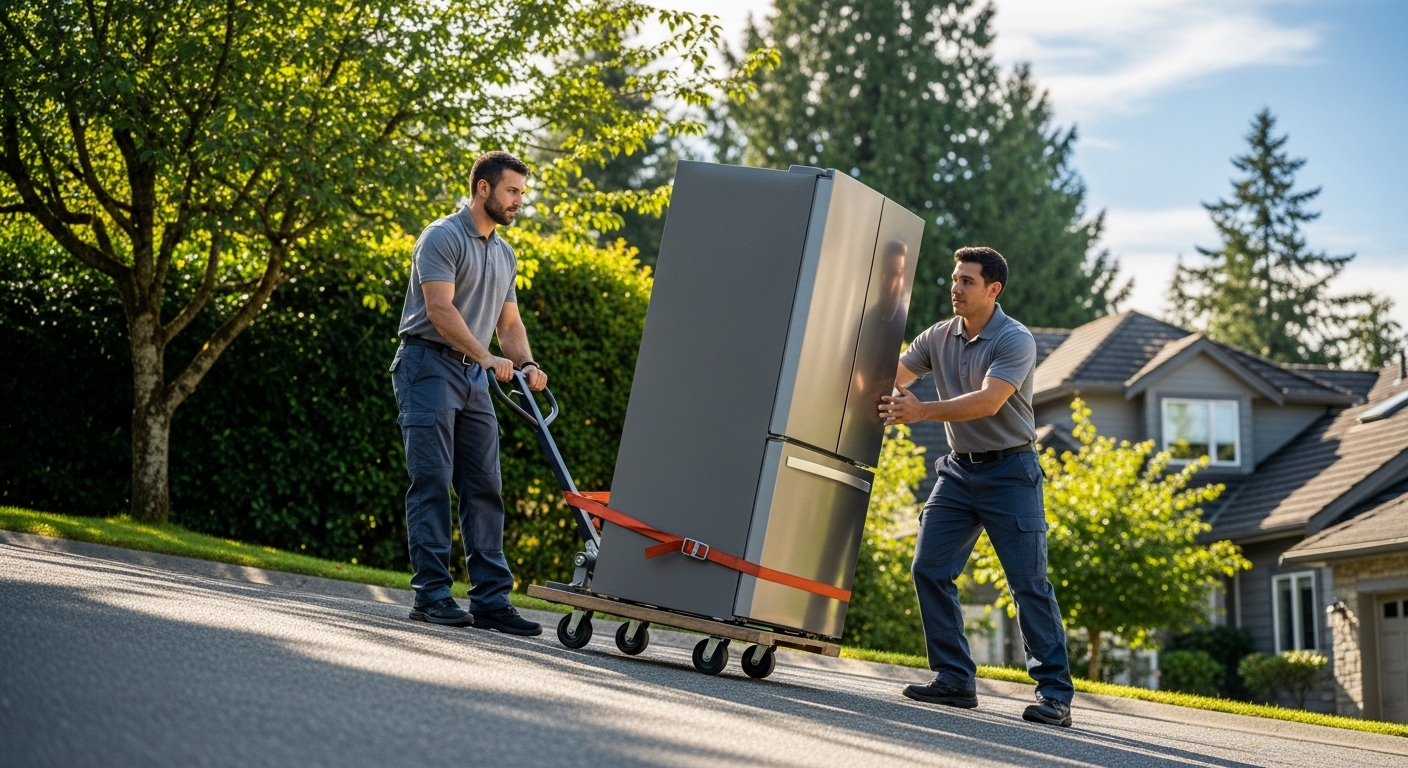
Professional Moving Services vs DIY Approach
The decision between hiring professional appliance moving services and tackling the job yourself involves weighing multiple factors beyond simple cost considerations. Understanding the true scope of appliance moving helps homeowners make informed decisions that protect both their investments and their safety.Professional moving services bring specialized equipment, insurance coverage, and experienced technicians who understand the nuances of each appliance type. These teams typically include appliance dollies rated for specific weight limits, protective padding designed for various appliance surfaces, and the expertise to navigate challenging spaces safely. Many professional services also offer comprehensive packages that include disconnection, transportation, and reconnection services, eliminating the need for homeowners to coordinate multiple contractors.DIY moving appeals to budget-conscious homeowners and those who enjoy hands-on projects, but it requires honest assessment of your capabilities and available resources. Rental equipment costs, potential injury risks, and the possibility of appliance damage must all factor into the true cost calculation. Additionally, DIY movers need to secure their own insurance coverage and take full responsibility for any damage that occurs during the process.The complexity of your specific move often determines the most practical approach. Simple ground-level moves with modern appliances might be well-suited for DIY efforts, while multi-story moves or homes with challenging layouts typically benefit from professional expertise. Gas appliances almost always require professional handling due to safety regulations and technical requirements.
Post-Move Installation and Setup
After successfully transporting your appliances to your new Coquitlam home, proper installation and setup procedures ensure optimal performance and longevity. This final phase of the moving process requires patience, attention to detail, and understanding of each appliance’s specific requirements.Refrigerator installation begins with a mandatory settling period before plugging the unit back in. Even when kept upright during transport, the cooling system’s fluids need time to settle properly – typically 4 to 6 hours for local moves and up to 24 hours for longer distances. During this waiting period, clean the new location thoroughly and ensure adequate ventilation space around the unit. Once the settling period is complete, gradually return the refrigerator to normal operation by setting conservative temperature controls and allowing several hours for proper cooling before restocking with food.Washing machine and dryer reconnection involves reversing the disconnection process with careful attention to proper connections and testing. Water supply lines should be connected hand-tight plus a quarter turn to prevent over-tightening that could damage fittings. Run a test cycle with the washer empty to check for leaks and proper operation before loading clothes. Dryer installation requires reconnecting the exhaust vent system with proper sealing to prevent lint buildup and ensure efficient operation. 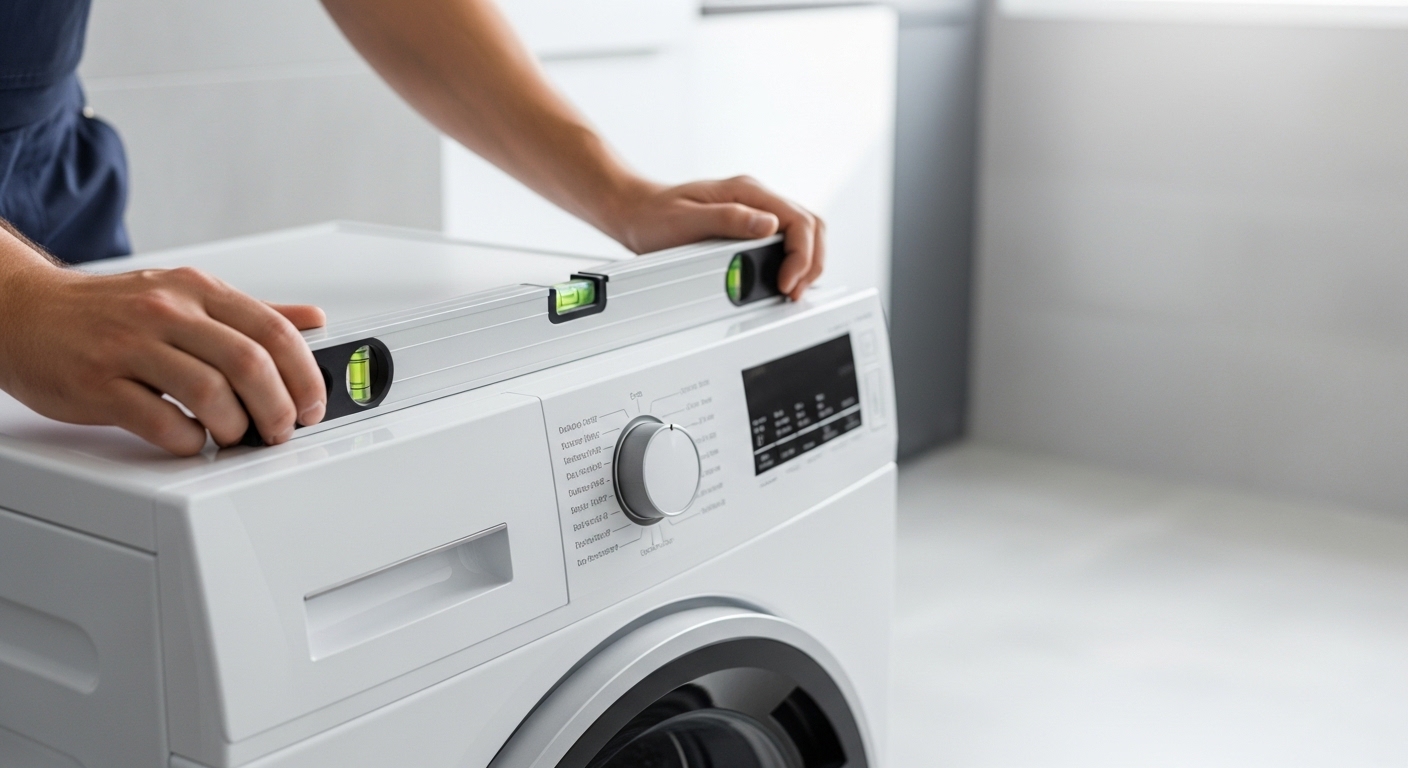 Appliance positioning in your new space affects both performance and convenience. Refrigerators should be level and have adequate clearance for door operation and air circulation. Washing machines require level positioning to prevent excessive vibration and premature wear on internal components. Taking time to properly level and position appliances during installation prevents future problems and ensures optimal performance in your new home.
Frequently Asked Questions
How far in advance should I start preparing my appliances for a move?
Begin appliance preparation 48 to 72 hours before your moving day, starting with refrigerator defrosting which requires the longest lead time. This timeline allows for thorough cleaning, proper disconnection, and any necessary professional services to be scheduled. Early preparation prevents last-minute rushes that often lead to mistakes or incomplete preparation.
Can I transport my refrigerator on its side if it doesn’t fit upright in the moving truck?
Refrigerators should never be transported on their side as this can cause permanent damage to the cooling system. If your moving vehicle cannot accommodate the refrigerator’s height, consider renting a larger truck or hiring professional movers with appropriate equipment. The cost of proper transportation is significantly less than replacing a damaged refrigerator cooling system.
What should I do if my washing machine doesn’t have the original shipping bolts?
Contact the manufacturer or appliance parts supplier to obtain replacement shipping bolts specific to your washing machine model. If shipping bolts are unavailable, carefully pack towels around the drum to minimize movement during transport. However, shipping bolts provide the most secure protection and are worth the investment for safe transportation.
How long should I wait before using my appliances after a move?
Refrigerators require a settling period of 4 to 24 hours depending on transport conditions before being plugged in. Washing machines and dryers can typically be used immediately after proper reconnection and testing. Gas appliances should only be reconnected and tested by licensed professionals to ensure safe operation.
Wrapping Up
Successfully moving appliances in Coquitlam requires careful planning, proper preparation, and attention to safety throughout the entire process. Whether you choose professional services or tackle the project yourself, understanding the unique challenges of appliance transportation protects your investment and ensures your appliances continue serving your family reliably in your new home. When appliance moving damage does occur despite your best efforts, Appliance Repair Coquitlam provides expert repair services to restore your appliances to proper working condition, helping Coquitlam homeowners get back to their normal routines quickly and affordably.