The Appliance Power Surge Shield: Coquitlam Storm Guide
Wondering how to protect your valuable appliances from devastating power surges during Coquitlam’s unpredictable storm season? Discover the essential surge protection strategies that can save you thousands in replacement costs and keep your home running smoothly when Mother Nature strikes. Living in Coquitlam means dealing with some pretty wild weather patterns throughout the year. From sudden thunderstorms rolling in from the mountains to power grid fluctuations during high-demand periods, our appliances face constant threats from electrical surges. As someone who learned this lesson the hard way after losing a brand-new washer and dryer set during last spring’s lightning storm, I can tell you that surge protection isn’t just nice to have—it’s absolutely essential. The reality is that most homeowners in neighborhoods like Burke Mountain, Minnekhada, and Westwood Plateau think surge protection means plugging their TV into a basic power strip from the hardware store. But when it comes to protecting major appliances like refrigerators, HVAC systems, and washing machines, you need a comprehensive approach that goes way beyond those little outlet protectors.
Key Outtakes:
- Whole-home surge protection systems provide comprehensive defense against both external and internal power surges
- Multi-layer surge protection strategies combine service entrance devices with individual appliance protection
- Commercial-grade surge protectors offer superior protection compared to basic power strips
- Professional installation ensures proper grounding and compliance with electrical codes
- Internal power surges from large appliances can be just as damaging as external lightning strikes
Understanding Power Surges and Their Impact on Home Appliances
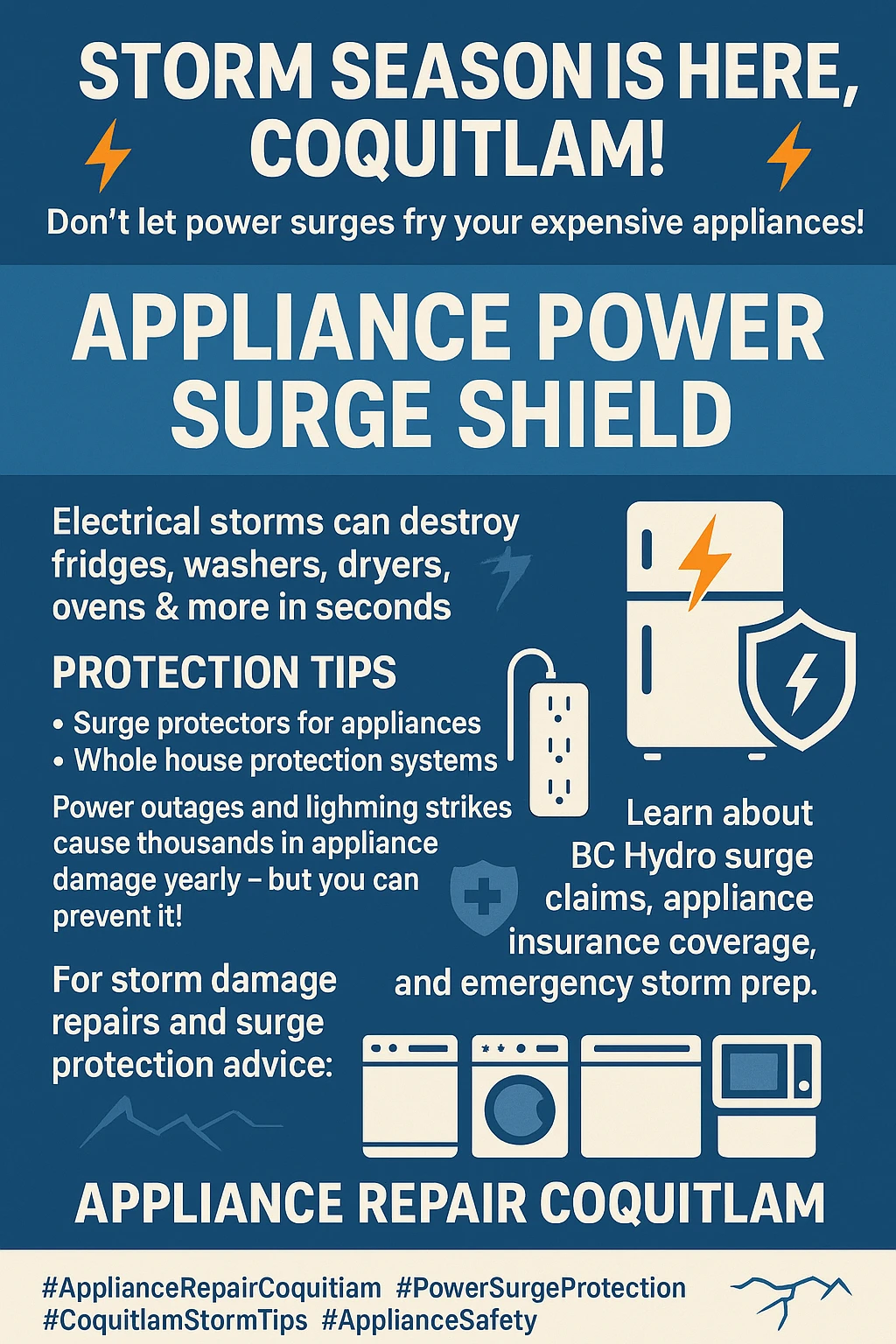
Power surges are basically sudden bursts of electricity that exceed your home’s normal voltage levels. Think of it like a garden hose that suddenly gets a massive blast of water pressure—everything downstream gets hit with way more than it can handle. These electrical spikes can range from minor fluctuations to massive jolts carrying thousands of volts, and they happen more often than most people realize. What makes surge protection so critical in Coquitlam is our unique combination of weather patterns and urban infrastructure. Lightning strikes during summer storms create external surges that travel through power lines directly to your home. But here’s what surprised me most when I started researching this topic—about 80% of damaging surges actually come from inside your own home when large appliances like air conditioners or electric water heaters cycle on and off. The financial impact can be staggering. According to electrical contractors who specialize in surge damage assessment, the average homeowner faces replacement costs of $5,000 to $15,000 when multiple appliances get hit simultaneously. Modern appliances with sensitive electronic controls are especially vulnerable because their circuit boards can’t handle voltage spikes that older, simpler appliances might have survived. 
Comprehensive Surge Protection Systems for Coquitlam Homes
Building on the foundation of understanding surge risks, let’s dive into the protection systems that actually work. The key insight that changed my entire approach to home electrical safety was learning that effective surge protection requires multiple layers working together, not just one device trying to handle everything. Whole-home surge protection devices installed at your main electrical panel serve as the first line of defense against external surges. These commercial-grade units can handle massive surge currents—we’re talking 200,000 amps or more—and divert dangerous voltage away from your home’s wiring before it reaches your appliances. Professional electricians in Port Coquitlam typically install these Type 1 surge protective devices right where utility lines connect to your home, creating a barrier against grid-related surges and lightning strikes. 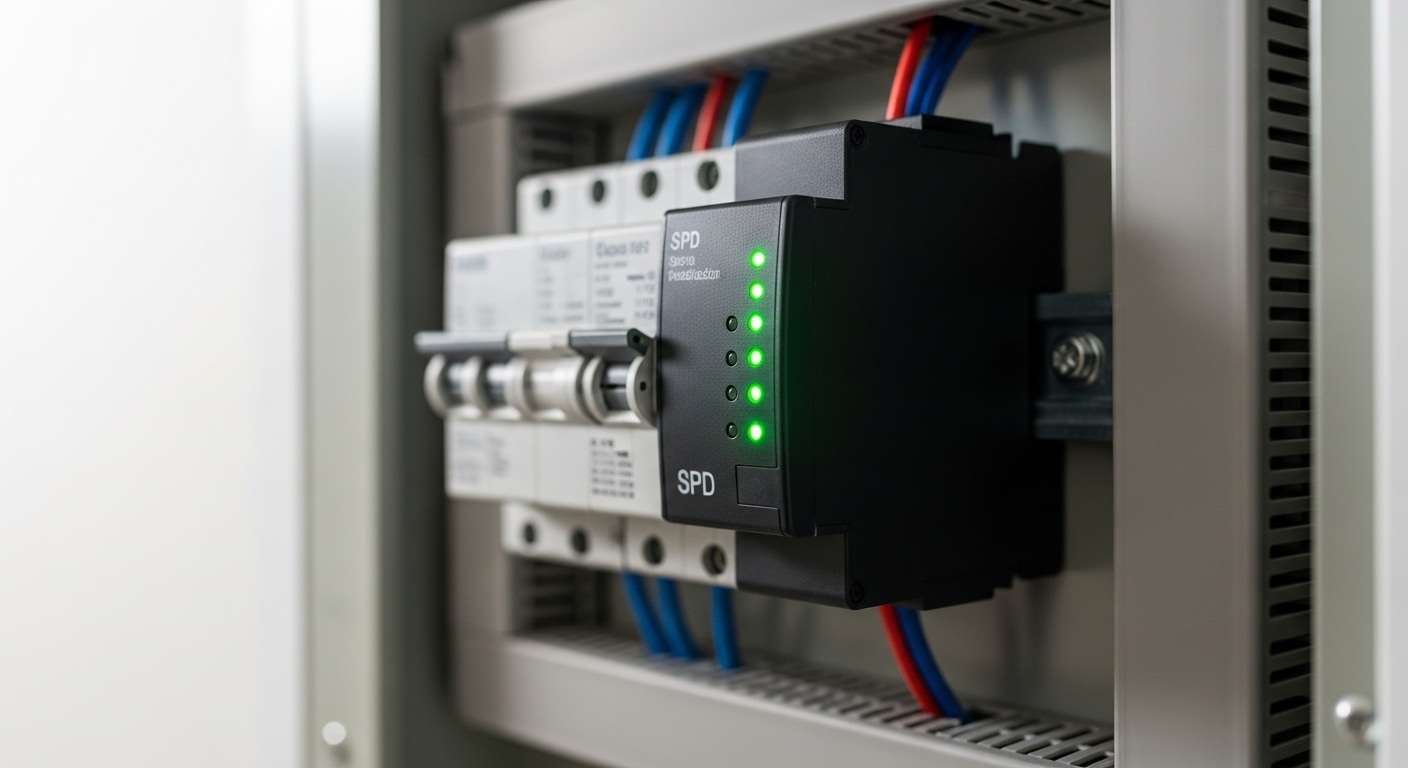 The second layer involves panel-level protection using Type 2 surge protective devices. These units protect against surges that make it past the service entrance protection or originate within your home’s electrical system. They’re installed in your distribution panels and provide localized protection for specific circuits. What makes this approach so effective is that it creates protection zones throughout your home, ensuring that if one protective device becomes overwhelmed, others are still standing guard. Individual appliance protection forms the third layer, especially for your most expensive and sensitive equipment. Point-of-use surge protectors designed for specific appliances provide the final safety net. For example, HVAC surge protectors are engineered to handle the unique electrical demands of heating and cooling systems, while dedicated protectors for washers and dryers account for the motor surge currents these appliances generate during startup.
Professional Installation and Electrical Safety Standards
Moving from understanding protection systems to actual implementation, the installation process is where many homeowners make costly mistakes. I’ve seen too many DIY attempts that not only failed to provide adequate protection but actually created new safety hazards because the devices weren’t properly grounded or sized for the electrical system. Professional installation begins with a comprehensive electrical system assessment. Licensed electricians evaluate your main panel capacity, grounding system integrity, and existing wiring to determine the appropriate surge protection strategy. This isn’t just about plugging in devices—it involves calculating surge current ratings, determining proper wire sizes, and ensuring compliance with National Electrical Code requirements. For instance, service entrance surge protective devices typically require surge current ratings of at least 240 kA, but the exact specifications depend on your home’s electrical characteristics. The grounding system plays a crucial role that many people overlook. Surge protective devices work by diverting excess voltage to ground, so if your grounding system isn’t adequate, the protection becomes ineffective. Professional installers test ground resistance and may need to upgrade grounding electrodes or install additional grounding conductors to meet code requirements. They also ensure proper coordination between different protection devices so they work together rather than interfering with each other. Proper documentation and ongoing maintenance are essential aspects often missed in DIY installations. Licensed contractors provide detailed installation records, including device specifications and test results, which become important for insurance claims and future electrical work. They also establish maintenance schedules because surge protective devices gradually degrade after absorbing surges and need periodic testing and replacement to maintain effectiveness.
Selecting the Right Surge Protection Equipment
After establishing the importance of professional installation, the next critical decision involves choosing the right equipment for your specific situation. This is where the technical specifications really matter, and understanding the differences can save you from either under-protecting your home or overpaying for unnecessary features. Surge current rating represents the most important specification to understand. This number, measured in kiloamps (kA), tells you how much surge current the device can safely divert. For whole-home protection in Coquitlam, you’ll want devices rated for at least 200 kA, though 300 kA provides better protection against severe lightning-related surges. The key is matching the protection capacity to your home’s risk profile—properties in exposed locations or with overhead power lines need higher ratings than homes in underground-service neighborhoods. Clamping voltage determines how much voltage the surge protector allows to reach your appliances. Lower clamping voltages provide better protection, but they also cost more. For sensitive electronics, look for devices with clamping voltages under 400 volts. For general appliance protection, devices rated up to 600 volts typically provide adequate protection while remaining cost-effective. Response time specifications matter more than many people realize. Electrical contractors specializing in surge protection emphasize that devices with nanosecond response times provide superior protection because surges can damage sensitive components almost instantaneously. Devices that take several microseconds to activate may not protect against fast-rising surge events.
Multi-Mode Protection Features
Modern surge protective devices offer protection across multiple electrical paths. Line-to-neutral, line-to-ground, and neutral-to-ground protection modes ensure comprehensive coverage against different types of surges. Three-mode protection devices cost more but provide superior protection for homes with sensitive appliances and electronics. Status indicators and alarm features help you monitor protection system health. LED indicators show when devices are functioning normally, and audible alarms alert you when protection has been compromised. Some advanced units include dry contact outputs that can integrate with home automation systems to provide remote monitoring capabilities.
Frequently Asked Questions
How often should surge protective devices be inspected or replaced?
Surge protective devices gradually degrade each time they absorb a surge, which is why regular inspection is essential for maintaining protection. Most manufacturers recommend professional inspection every 3-5 years, though homes in areas with frequent electrical storms may need more frequent checks. Visual indicators on quality devices show when replacement is needed, but internal components can fail without obvious external signs. The replacement timeline also depends on the number and severity of surges your system has absorbed. A device that has handled multiple lightning-related surges may need replacement sooner than one that has only dealt with minor internal surges from appliance cycling.
Can whole-home surge protection interfere with smart home devices or sensitive electronics?
Properly installed whole-home surge protection actually enhances the performance and longevity of smart home devices and sensitive electronics. Modern surge protective devices are designed to maintain normal electrical characteristics while only activating during surge events. They don’t interfere with data transmission, wireless signals, or normal device operation. However, installation quality matters significantly. Improperly grounded or incorrectly wired surge protection can create electrical noise that interferes with sensitive equipment. This is another reason why professional installation by licensed electricians is so important.
What’s the difference between surge protectors and surge suppressors?
The terms “surge protector” and “surge suppressor” are often used interchangeably, but they technically describe different approaches to handling electrical surges. Surge suppressors clamp or limit voltage levels, while surge protectors can include additional features like filtering and isolation. In practical terms, most modern devices combine multiple protection technologies, so the distinction has become less meaningful for consumers choosing home protection systems.
Wrapping Up
 Protecting your home’s appliances from power surges isn’t just about buying the right equipment—it’s about implementing a comprehensive strategy that addresses both external and internal surge risks. From whole-home systems that guard against lightning strikes to individual appliance protectors that handle internal electrical fluctuations, every layer of protection matters when storm season hits Coquitlam. When your washing machine, refrigerator, or HVAC system represents thousands of dollars in investment, proper surge protection becomes one of the smartest home improvement decisions you can make. At Appliance Repair Coquitlam, we understand how devastating surge damage can be to your home’s essential systems. While we specialize in repairing appliances after problems occur, we strongly encourage homeowners throughout Burke Mountain, Minnekhada, and Westwood Plateau to invest in professional surge protection before damage happens—because prevention is always more cost-effective than replacement.