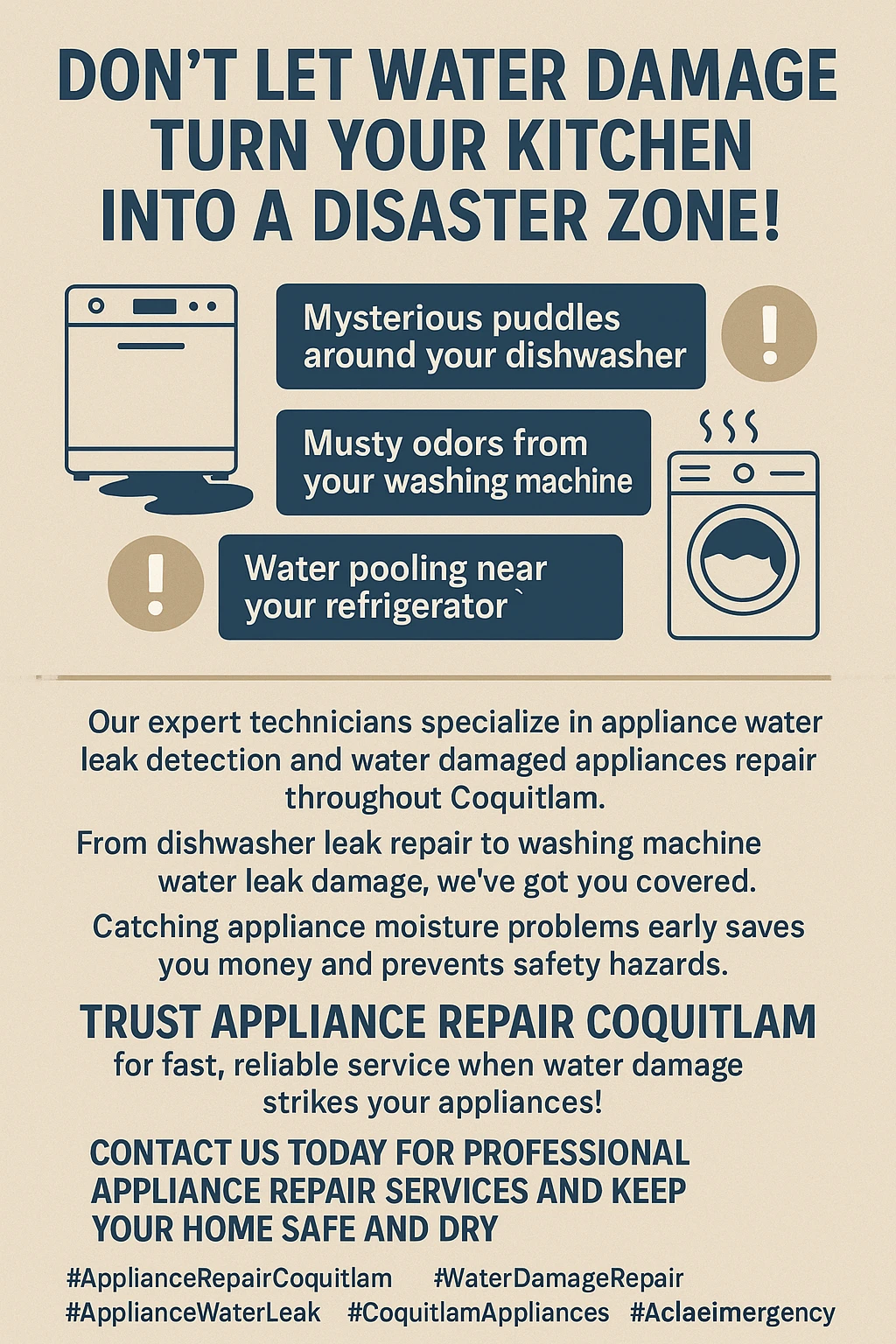
Spotting water damage from your appliances before it turns into a costly nightmare? We’ll walk you through the warning signs that could save you thousands in repairs and help you protect your Coquitlam home from serious moisture problems. Your dishwasher’s been making that weird gurgling sound for weeks, but you’ve been putting off checking it because, honestly, who has time? Last month, my neighbor in Burke Mountain discovered a slow leak behind her washing machine that had been quietly destroying her laundry room floor for months. By the time she noticed the warped boards, the damage had spread under the cabinets and required a complete floor replacement. Trust me, a little detective work now can save you from becoming the next cautionary tale in your neighborhood WhatsApp group. [IMAGE PLACEHOLDER FOR IMAGE1] The thing about appliance water damage is that it’s sneaky – like that one friend who always ‘forgets’ their wallet at dinner. Your appliances can develop leaks so gradually that you don’t notice until you’re dealing with warped floors, moldy walls, or worse. But here’s the good news: if you know what to look for, you can catch these issues early and avoid the headache of major repairs.
Key Outtakes:
- Water damage from appliances often starts small but can cause extensive structural damage if left unchecked
- Visual signs like water stains, warped flooring, and rust around appliances are early indicators of moisture problems
- Musty odors and unusual sounds from your appliances can signal hidden leaks before visible damage appears
- Regular inspection of water connections, seals, and drainage areas helps prevent costly repairs
- Professional appliance maintenance can identify potential water damage risks before they become emergencies
Understanding Appliance Water Damage
 Water damage from home appliances is basically your house’s way of throwing a very expensive tantrum. It happens when water escapes from where it’s supposed to be (inside your appliances) and goes exploring places it definitely shouldn’t be (your floors, walls, and cabinets). Think of it like a toddler with a juice box – the potential for disaster is always lurking just beneath the surface. The tricky part about appliance-related water damage is that it doesn’t always announce itself with dramatic flooding. More often, it’s the slow, persistent drip that causes the most destruction over time. A washing machine with a slightly loose connection might leak just a few drops after each cycle, but those drops add up to serious problems when they’re happening twice a week for six months. The moisture seeps into subflooring, creates perfect conditions for mold growth, and can even affect the structural integrity of your home. What makes this particularly frustrating for homeowners across Coquitlam is that our climate already puts extra stress on appliances. The combination of wet winters and dry summers means your appliances are constantly adjusting to humidity changes, which can cause seals to expand and contract, leading to premature wear and unexpected leaks.
Early Warning Signs to Watch For
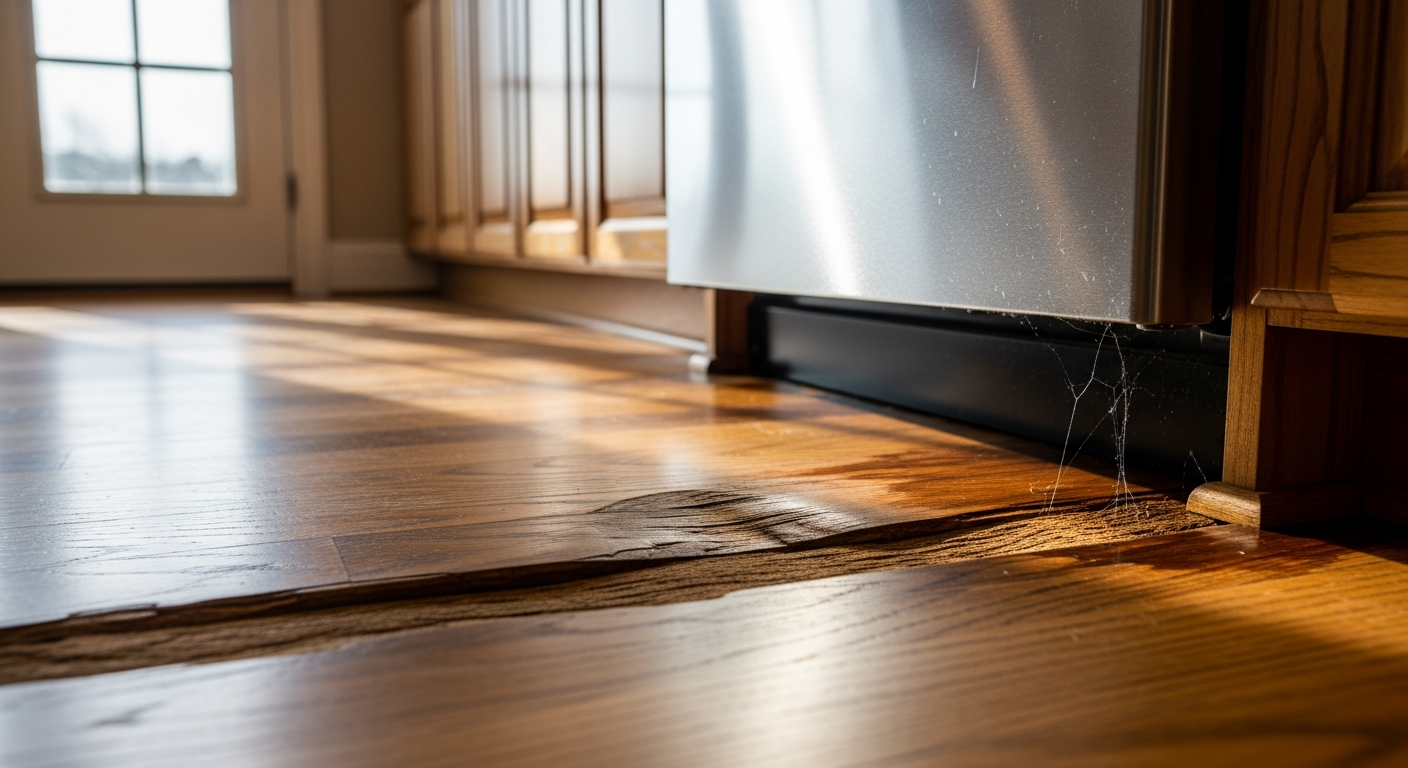
 Now that we understand how appliance water damage develops, let’s talk about catching it before it becomes a major problem. The key is knowing where to look and what warning signs indicate trouble brewing behind the scenes. Water stains are often your first clue that something’s not right. These typically show up as discolored patches on walls behind appliances, yellowish rings on ceilings below upper-floor laundry rooms, or dark spots on subflooring around your dishwasher or washing machine. I learned this the hard way when I ignored a small brownish stain on the wall behind my dishwasher for months, assuming it was just a scuff mark. Turns out, it was the early sign of a leak in the water supply line that eventually required replacing a section of drywall and part of the cabinet base. Changes in your flooring are another major red flag. Hardwood floors might start to cup or crown near appliances, laminate flooring could begin lifting at the edges, and tile grout may start cracking or becoming discolored. In homes throughout Westwood Plateau, I’ve seen beautiful hardwood kitchen floors ruined because homeowners didn’t notice the subtle warping that started near the dishwasher. Vinyl flooring is particularly sneaky because it can hide moisture underneath for a long time before showing visible signs of damage. Unusual sounds from your appliances often indicate water isn’t flowing where it should. Your dishwasher might start making gurgling sounds during the drain cycle, suggesting a backup that could lead to overflow. Washing machines might develop a rhythmic dripping sound that you can hear between cycles, or your refrigerator’s ice maker might start making clicking noises as it struggles with a water line issue. These audio cues are your appliances literally calling for help.
Identifying Moisture and Mold Issues
Building on those visible and audible warning signs, moisture and mold problems often develop as secondary issues that can actually be more dangerous than the initial water damage. Understanding how to spot these problems early is crucial for protecting both your home and your family’s health. Musty odors are typically your nose’s way of alerting you to hidden moisture problems. This smell often develops in areas where water has been slowly accumulating out of sight – behind appliances, under cabinets, or within wall cavities. The odor usually starts subtle, maybe just a slightly stale smell when you open the cabinet under your kitchen sink. Over time, it becomes more pronounced and can spread throughout the room. In many Maillardville homes with older appliances, this musty smell is often the first sign that a slow leak has been creating perfect conditions for mold growth behind the scenes. Visible mold growth is the next escalation, appearing as black, green, or brown spots on walls, cabinet surfaces, or around appliance connections. Mold loves moisture and warmth, making the areas around your water heater, washing machine, and dishwasher prime real estate. What’s particularly concerning is that you might only see mold growth on surfaces, while much more extensive colonies could be developing inside walls or under flooring where moisture has penetrated. Increased humidity levels in rooms with water-using appliances can indicate ongoing moisture issues. If your laundry room consistently feels more humid than the rest of your house, or if you notice condensation forming on windows or walls near appliances, these could be signs that water is escaping somewhere. Your bathroom fan might be running more often, or you might notice that towels and clothes take longer to dry in certain areas of your home.
Common Problem Areas in Different Appliances
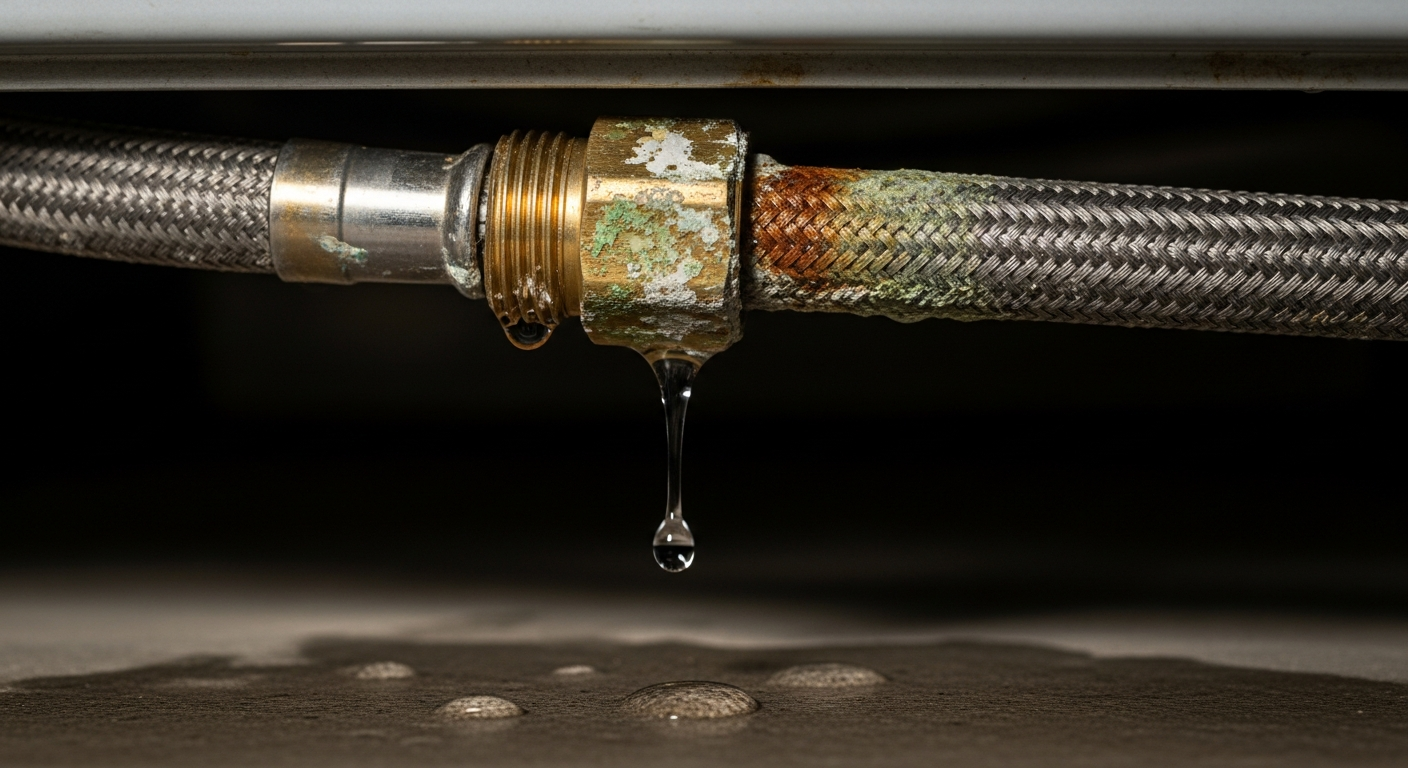
 Moving from general warning signs to specific appliances, each water-using appliance in your home has its own vulnerable spots where leaks commonly develop. Knowing these trouble zones helps you focus your inspection efforts where problems are most likely to occur. Washing machines are notorious for developing leaks at connection points and around door seals. The hot and cold water supply lines that connect to the back of your machine experience constant pressure changes, making the connection points prime spots for leaks to develop. Front-loading washers have an additional vulnerability in their door seals, which can accumulate soap residue and debris that prevents proper sealing. I’ve seen numerous homes in Canyon Springs where homeowners discovered water damage months after a door seal started leaking, simply because the water was running underneath the machine and wasn’t immediately visible. Dishwashers present their own unique challenges, with leaks commonly occurring around door seals, at the connection to your garbage disposal, and where the drain hose connects under your sink. The door seal is particularly vulnerable because it’s constantly exposed to hot water and cleaning chemicals, which can cause the rubber to deteriorate over time. Many homeowners don’t realize that their dishwasher drains through their garbage disposal, so problems with the disposal can back up into the dishwasher and cause overflow issues. Refrigerators with ice makers and water dispensers have multiple potential failure points, including the water filter connections, ice maker supply lines, and defrost drain systems. The water lines that run to your refrigerator are often hidden behind the appliance or run through cabinetry, making leaks difficult to detect until damage is extensive. Defrost drains can become clogged with food particles or ice, causing water to back up and overflow inside your refrigerator or leak onto your floor.
Professional Assessment and Prevention
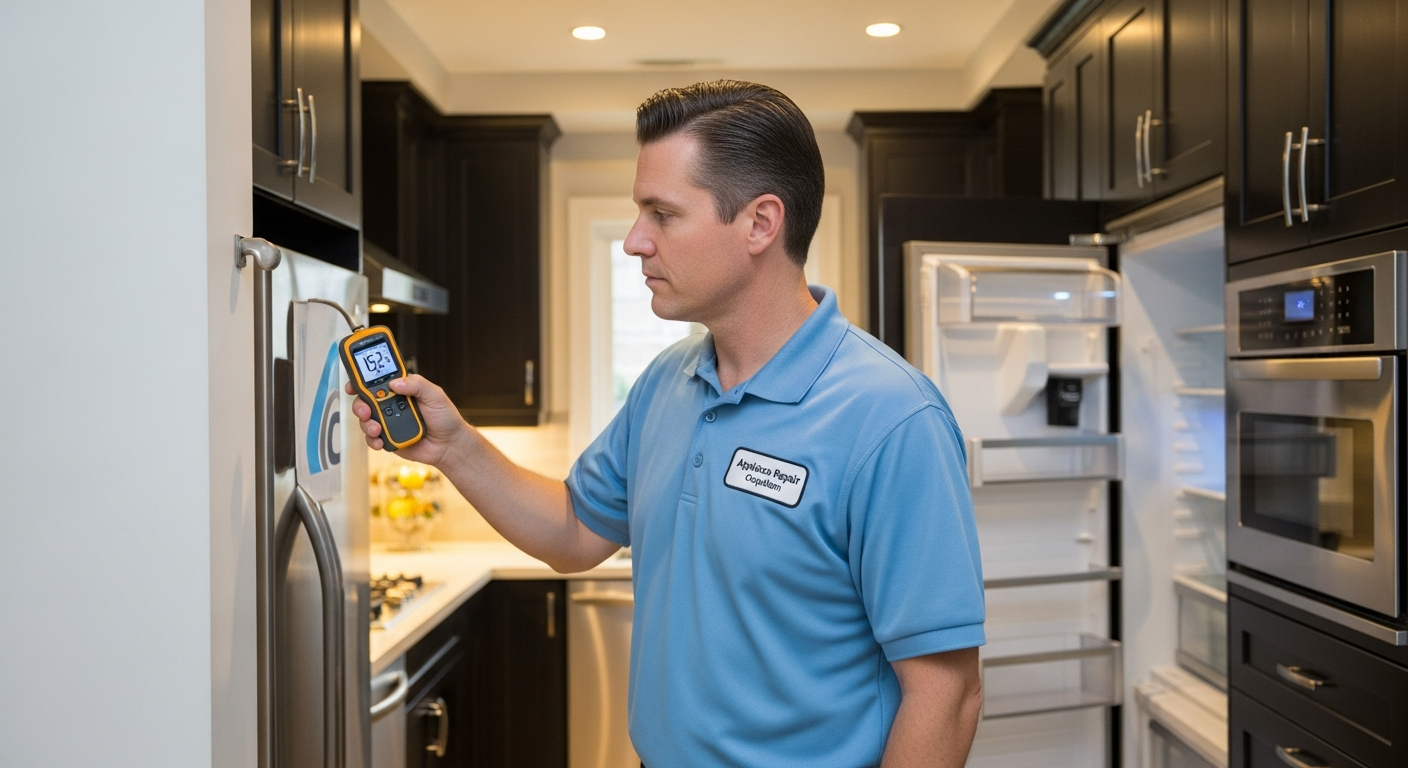
While knowing how to spot warning signs is essential, there comes a point where professional expertise becomes invaluable for both assessing existing problems and preventing future ones. Understanding when to call in experts can save you from minor issues becoming major disasters. Professional appliance technicians can identify potential problems during routine maintenance visits that homeowners might easily miss. They have specialized tools to detect moisture in areas that aren’t easily accessible, and they understand the subtle signs that indicate a component is wearing out and likely to fail soon. During a standard service call, a qualified technician can check water connections, test seals for proper function, and assess whether your appliances are showing signs of wear that could lead to leaks. Many of the most expensive water damage situations I’ve heard about in Burke Mountain could have been prevented with earlier professional intervention. Regular maintenance schedules help ensure that potential issues are caught before they become actual problems. Professional services include checking and tightening water connections, replacing worn seals, cleaning drain lines, and testing safety shut-off systems. They can also recommend upgrades like installing leak detection systems or shut-off valves that automatically stop water flow if a problem is detected. When water damage does occur, professional water damage restoration services understand the critical timing involved in preventing mold growth and structural damage. They have industrial-grade drying equipment and moisture detection tools that can identify hidden pockets of moisture that might not be apparent during a visual inspection. Quick professional response can often mean the difference between a relatively simple cleanup and extensive reconstruction.
Frequently Asked Questions
What should I do immediately if I discover water around my appliance?
First, turn off the water supply to the affected appliance if you can safely access the shut-off valve. Next, move any items that could be damaged away from the water, and start documenting the damage with photos for insurance purposes. If the leak is significant, you may need to turn off electricity to the area to prevent electrical hazards. Contact a professional appliance repair service to diagnose and fix the source of the leak, and consider calling a water damage restoration company if the water has spread beyond the immediate appliance area.
How often should I inspect my appliances for potential water damage?
You should perform a basic visual inspection monthly, checking around appliances for any signs of moisture, stains, or unusual odors. Look behind and under appliances quarterly if possible, and schedule professional maintenance annually for major appliances like washing machines and dishwashers. Pay extra attention during seasonal changes when temperature fluctuations can stress seals and connections. Keep an ear out for unusual sounds from your appliances, as these often indicate developing problems.
Can small leaks really cause serious damage?
Absolutely. Small, persistent leaks are often more damaging than obvious large leaks because they go unnoticed for longer periods. A few drops per day can add up to significant moisture accumulation over months, creating perfect conditions for mold growth, wood rot, and structural damage. The moisture can penetrate into subflooring, wall cavities, and cabinet structures where it continues causing damage long after the initial leak. Many insurance claims for water damage involve small leaks that weren’t discovered until extensive damage had already occurred.
Wrapping Up
Staying ahead of appliance water damage is really about developing good habits and trusting your instincts when something seems off. Those weird sounds, mysterious stains, and musty smells are your home’s way of asking for help before a small problem becomes a major renovation project. Regular inspections, professional maintenance, and quick action when you spot warning signs can save you thousands of dollars and weeks of disruption to your daily routine. If you’re dealing with appliance issues in Coquitlam, don’t wait until a small leak becomes a big problem. Professional appliance repair services can diagnose potential issues, perform preventive maintenance, and fix problems before they cause water damage to your home. Whether you’re in Westwood Plateau, Burke Mountain, or Maillardville, getting expert help early is always more cost-effective than dealing with the aftermath of water damage.