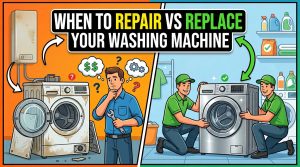
Ever wondered what would happen if your fridge decided to take a vacation during a power outage or your washing machine threw in the towel during a flood? Building the perfect appliance emergency readiness kit is like having a superhero toolkit for your home – it’s your first line of defense when household disasters strike and keeps you from panicking when the unexpected happens. Picture this: you’re chilling on a Sunday evening in your cozy Coquitlam home when suddenly the power goes out, and you realize your freezer full of groceries is slowly turning into an expensive science experiment. Or maybe you wake up to find your dishwasher has decided to redecorate your kitchen floor with a mini indoor lake. These scenarios aren’t just hypothetical nightmares – they’re real situations that can cost you thousands of dollars and turn your peaceful home into chaos central. That’s where your appliance emergency readiness kit comes into play. Think of it as your household’s insurance policy that actually fits in a toolbox, ready to spring into action when your appliances decide to go rogue.
Key Outtakes:
- A well-stocked appliance emergency kit can prevent minor issues from becoming major disasters and expensive repairs
- Essential tools like multimeters, basic hand tools, and safety equipment form the foundation of any effective emergency kit
- Different appliances require specific emergency supplies – from refrigerator thermometers to washing machine leak detectors
- Regular maintenance supplies in your kit help extend appliance lifespan and prevent emergency situations
- Professional backup contacts and documentation are crucial components often overlooked in DIY emergency preparations
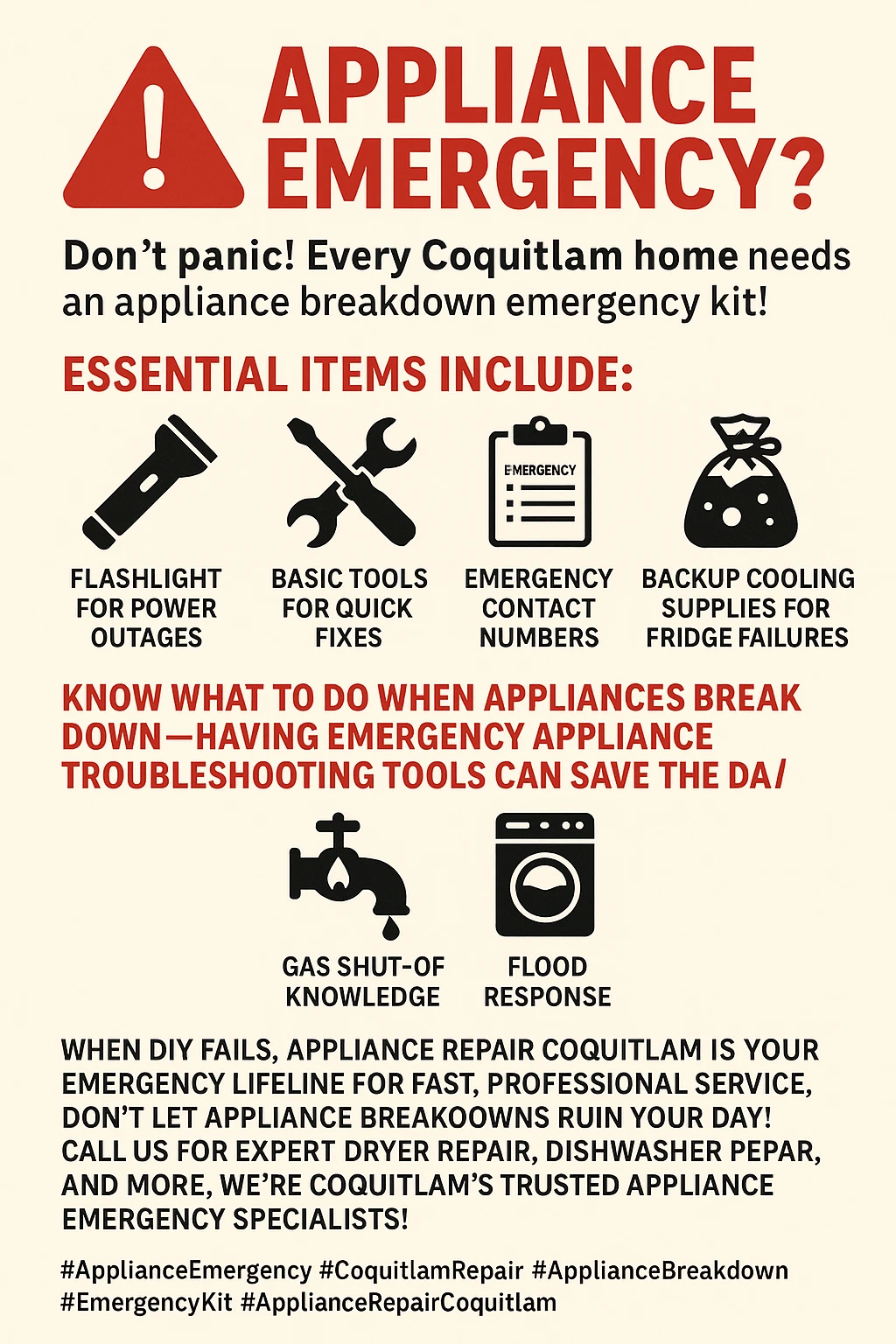
Understanding Appliance Emergency Preparedness
 Let’s get real about what appliance emergencies actually look like in the wild. We’re not just talking about the dramatic stuff you see in movies – most appliance emergencies are sneaky little problems that snowball into expensive headaches if you’re not prepared. Your refrigerator might start making weird noises at 2 AM, your dryer could decide to stop heating in the middle of winter, or your dishwasher might spring a leak right before you’re hosting dinner for twelve. The beauty of having a proper emergency readiness kit is that it transforms you from a panicked homeowner into a calm, collected problem-solver. Instead of frantically googling “emergency appliance repair near me” at midnight, you’ll have the tools and knowledge to either fix the problem yourself or at least stabilize the situation until professional help arrives. This preparation is especially crucial for residents in neighborhoods like Maillardville, where older homes might have appliances that are more prone to unexpected failures. Emergency preparedness isn’t just about having the right tools – it’s about creating a systematic approach to appliance care that prevents many emergencies from happening in the first place. When you’re equipped with the right supplies and knowledge, you can catch problems early, perform basic troubleshooting, and make informed decisions about when to call in the pros versus when to tackle repairs yourself.
Essential Tools and Safety Equipment
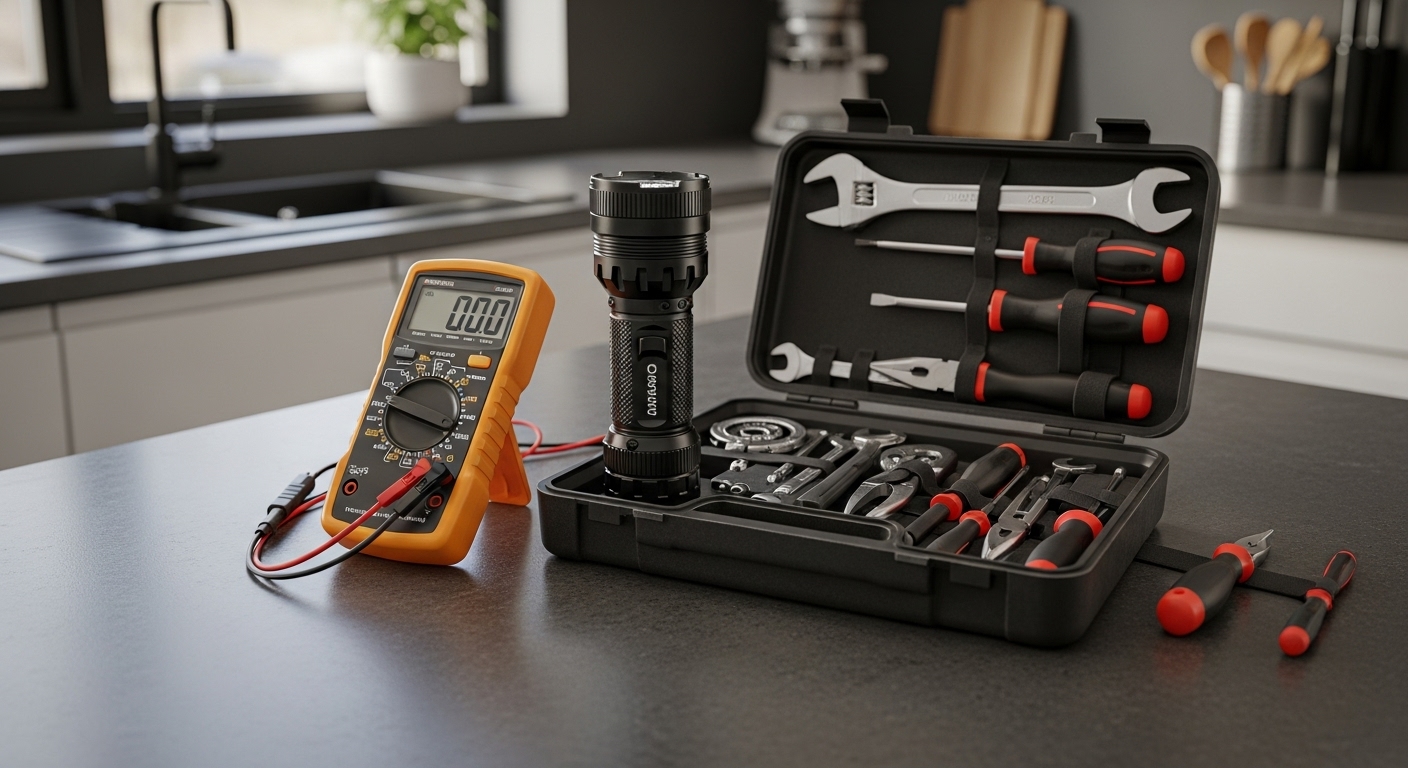
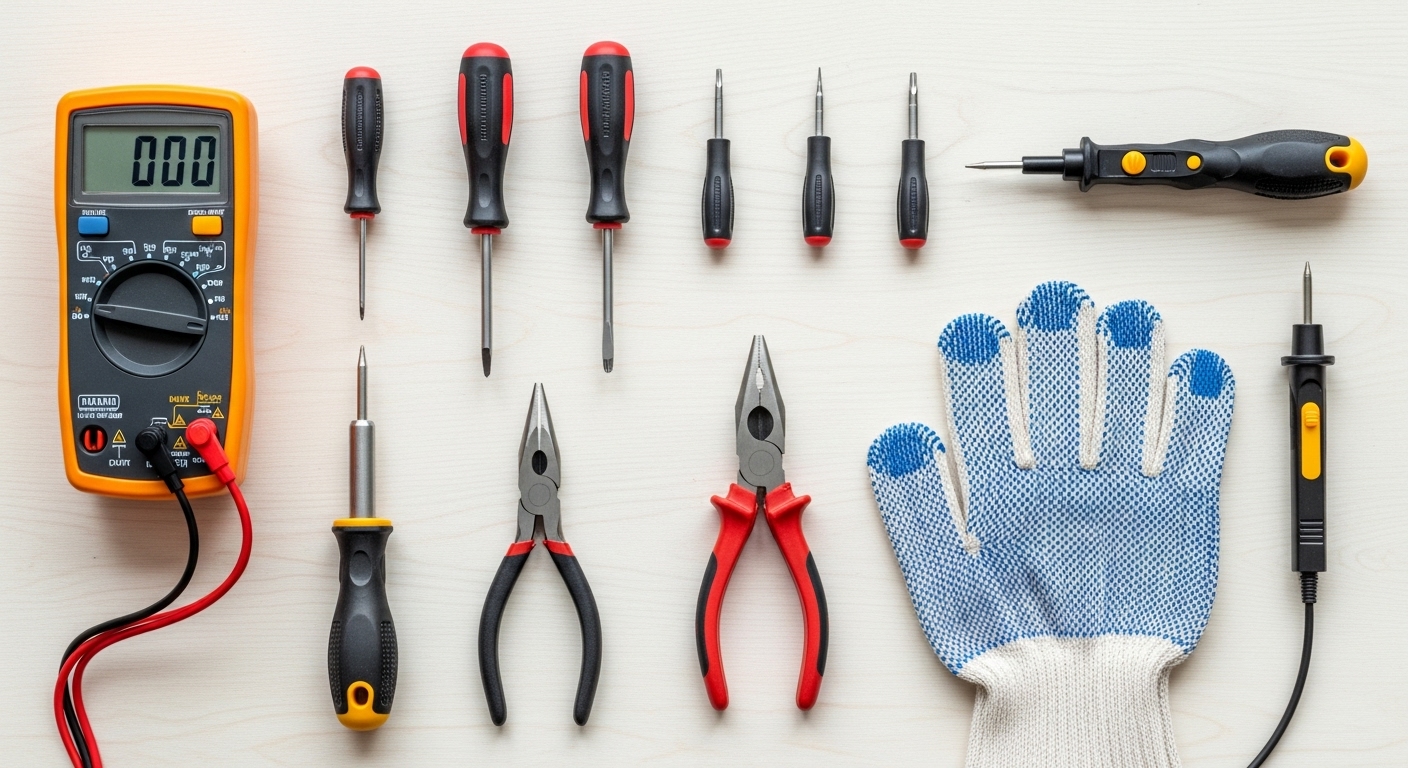 Building your emergency kit starts with assembling a solid foundation of basic tools that work across multiple appliance types. Your toolkit should feel like a greatest hits album of home repair essentials, not a random collection of gadgets you bought on impulse. The cornerstone of any good kit includes a quality multimeter for electrical diagnostics, a set of screwdrivers in various sizes, adjustable wrenches, needle-nose pliers, and a good flashlight with extra batteries. Safety equipment deserves just as much attention as your repair tools because nobody wants their emergency repair session to turn into an actual emergency. Heavy-duty work gloves protect your hands from sharp edges and electrical components, while safety glasses shield your eyes from debris and splashing liquids. A non-contact voltage tester is absolutely essential for electrical work – it’s like having a guardian angel that tells you when something’s live and dangerous. Don’t forget about knee pads if you’ll be working on floor-level appliances, and always keep a first aid kit nearby because even experienced DIYers occasionally meet their match with a stubborn screw or sharp edge. The key to choosing the right tools lies in understanding the most common types of repairs you’ll encounter. Most appliance emergencies involve either electrical issues, mechanical problems, or water-related disasters. Your tools should reflect this reality, focusing on versatile equipment that can handle multiple scenarios rather than specialized gadgets you’ll use once in a blue moon. Think Swiss Army knife mentality – every tool should earn its place in your kit by being genuinely useful across different appliance types.
Appliance-Specific Emergency Supplies
Now that we’ve covered your basic toolkit, let’s dive into the specialized supplies that can save your bacon when specific appliances decide to misbehave. Each major appliance in your home has its own personality and its own way of causing trouble, so your emergency kit needs to be prepared for their individual quirks. This is where your preparation strategy gets really targeted and effective.
Refrigerator and Freezer Emergency Supplies
Your fridge and freezer are probably the most critical appliances in your home when it comes to emergency preparedness because they’re protecting hundreds of dollars worth of food. A good appliance thermometer is your first line of defense – it tells you exactly how warm things are getting during a power outage and helps you make smart decisions about what to save and what to toss. Heavy-duty coolers and plenty of ice packs can buy you precious time during extended outages, while emergency power sources like portable generators can keep your fridge running when the grid goes down. Don’t overlook the importance of having replacement parts on hand for common fridge failures. Door seals are notorious for failing at the worst possible times, and having a spare gasket that fits your model can prevent a minor inconvenience from becoming a food safety disaster. Water filter replacements, defrost drain cleaning supplies, and condenser coil brushes round out your refrigeration emergency arsenal. For residents in areas like Burke Mountain where power outages during storms are more common, consider investing in backup power solutions specifically sized for your refrigeration needs.
Washing Machine and Dryer Emergency Kit
Water damage from washing machine failures can be absolutely devastating, turning your peaceful laundry room into an indoor swimming pool faster than you can say “spin cycle.” Your emergency kit should include water leak detectors that sound an alarm when moisture is detected, emergency shut-off valve tools that let you quickly stop water flow, and plenty of absorbent materials like towels and mops for cleanup. A wet/dry vacuum can be a lifesaver for dealing with significant water accumulation. Dryer emergencies often involve overheating or lint-related fire hazards, so your kit should include a thorough duct cleaning system, replacement lint traps, and a fire extinguisher rated for electrical fires. Dryer belts are another common failure point, and having a replacement belt for your specific model can get you back to doing laundry without waiting for parts to ship. Temperature guns help you monitor dryer performance and catch overheating issues before they become dangerous.
Maintenance and Prevention Supplies
 The most effective emergency kit isn’t just about responding to disasters – it’s about preventing them from happening in the first place. This philosophy transforms your emergency preparedness from reactive panic management into proactive household stewardship. Think of these supplies as your appliance insurance policy, keeping things running smoothly and catching problems while they’re still small and manageable. Regular maintenance supplies should include high-quality cleaning products specifically designed for appliances, lubricants for moving parts, and replacement filters for various systems throughout your home. Descaling solutions for coffee makers and ice machines, degreasing agents for range hoods, and specialized cleaners for stainless steel surfaces all play important roles in keeping your appliances happy and health. The goal is to address the small issues that lead to big problems – like calcium buildup that eventually destroys heating elements or grease accumulation that creates fire hazards. Preventive maintenance also means having the right diagnostic tools to monitor your appliances’ health over time. This includes things like outlet testers to ensure proper electrical connections, vibration pads to reduce wear on washing machines, and magnetic door seal cleaners that keep refrigerator gaskets functioning properly. Documentation supplies like maintenance logs and warranty information organizers help you track service history and catch patterns that might indicate developing problems. When you’re consistently maintaining your appliances, you’re not just preventing emergencies – you’re extending their lifespan and improving their efficiency, which saves money in the long run.
Emergency Contact Information and Documentation
Even the most comprehensive emergency kit won’t help you if you don’t have the right professional backup when things go beyond DIY territory. Smart emergency preparedness means knowing when to call in the experts and having their contact information immediately accessible when disaster strikes. This component of your emergency kit is often overlooked, but it’s absolutely crucial for handling serious appliance failures safely and effectively. Your documentation should include contact information for trusted local repair services, utility companies, and emergency services specific to your area. For Coquitlam residents, this means having numbers for local appliance repair specialists who understand the unique challenges of BC homes, from older electrical systems to specific appliance brands common in the region. Keep these contacts both in your physical emergency kit and saved in your phone, because emergencies don’t wait for convenient business hours. Beyond contact information, maintain organized records of your appliances including model numbers, serial numbers, purchase dates, and warranty information. This documentation becomes invaluable when you need to order parts, file warranty claims, or communicate effectively with repair technicians. Include photos of your appliances’ specification labels and any unique installation details that might be important for repairs. Many homeowners in neighborhoods like Westwood Plateau have discovered that having this information readily available can mean the difference between same-day service and waiting weeks for parts or specialized technicians.
Storage and Organization of Your Emergency Kit
Having all the right supplies doesn’t do you much good if you can’t find them when crisis strikes, so organization and storage strategy are absolutely critical components of your emergency preparedness plan. Your kit needs to be easily accessible, logically organized, and properly maintained so that everything works when you need it most. Think of this as creating your household’s version of a fire station – everything in its place and ready for immediate deployment. The best storage solutions balance accessibility with protection, keeping your tools and supplies safe from moisture, dust, and damage while ensuring you can grab what you need quickly. A rolling tool chest works brilliantly for larger kits because you can wheel it right to the problem appliance, while smaller portable toolboxes are perfect for basic emergency supplies. Consider using clear storage containers with detailed labels so you can see what’s inside without opening every box, and organize supplies by appliance type or problem category for fastest access during stressful situations. Location matters just as much as organization when it comes to emergency kit storage. Your kit should be stored in a central location that’s easily accessible from your major appliances but protected from extreme temperatures and humidity. Many homeowners make the mistake of storing emergency supplies in garages or basements where temperature fluctuations can damage sensitive equipment like electronic diagnostic tools. Climate-controlled areas like utility rooms or dedicated storage closets work much better for preserving your investment in quality emergency supplies.
Seasonal Considerations and Kit Updates
Your appliance emergency readiness kit isn’t a “set it and forget it” proposition – it needs regular attention and seasonal updates to stay effective and relevant to your changing needs. Different seasons bring different challenges for home appliances, from increased air conditioning loads in summer to heating system stress in winter, and your emergency preparedness should reflect these shifting priorities. Spring and fall are perfect times for comprehensive kit reviews, checking expiration dates on supplies, testing electronic equipment, and updating contact information. This is when you should verify that your flashlight batteries still work, that your emergency power sources are charged and functional, and that any perishable supplies like adhesives or lubricants haven’t degraded. It’s also the ideal time to add new tools or supplies based on lessons learned from the previous year’s challenges or changes in your appliance lineup. Winter preparation in the Coquitlam area should include extra attention to heating system emergency supplies, backup power considerations for longer outages, and supplies for dealing with frozen pipes that can affect appliances like washing machines and dishwashers. Summer prep focuses more on cooling system support, including extra refrigeration backup supplies and tools for dealing with increased electrical loads that can stress older appliances. Regular updates ensure your kit evolves with your needs and maintains its effectiveness over time.
Frequently Asked Questions
What should be the first priority when building an appliance emergency kit?
Start with safety equipment and basic diagnostic tools before moving on to appliance-specific supplies. Your multimeter, flashlight, work gloves, and non-contact voltage tester should be your first purchases because they’re essential for safely diagnosing problems across all appliance types. These tools form the foundation that makes everything else in your kit useful and safe to use. Once you have your safety basics covered, focus on the appliances that would cause the most disruption if they failed – typically your refrigerator, heating/cooling system, and water-related appliances. This prioritization ensures you’re prepared for the emergencies that would have the biggest impact on your daily life and budget.
How often should I check and update my appliance emergency kit?
Plan to review your kit thoroughly twice a year, ideally in spring and fall when you’re already thinking about seasonal home maintenance. During these reviews, test all electronic equipment, check expiration dates on supplies, verify that contact information is current, and assess whether your kit needs updates based on new appliances or lessons learned from recent experiences. Monthly quick checks are also valuable for ensuring that flashlight batteries are working, emergency power sources are charged, and any supplies you’ve used have been replaced. Think of it like checking your fire extinguisher – regular attention prevents unpleasant surprises when you actually need the equipment.
What’s the most cost-effective way to build an appliance emergency kit?
Build your kit gradually over time rather than trying to purchase everything at once, starting with versatile tools that work across multiple appliance types. Focus on quality basics like a good multimeter, adjustable wrenches, and safety equipment before moving on to specialized supplies. Many homeowners find that building their kit over six months to a year allows them to spread costs while learning what they actually need versus what seems like it might be useful. Consider combining your emergency kit building with regular home maintenance by purchasing supplies as you encounter problems rather than buying everything speculatively. This approach ensures you’re investing in tools and supplies that you know you’ll actually use while building experience with different types of appliance issues.
Wrapping Up
Building a comprehensive appliance emergency readiness kit transforms you from a helpless victim of household disasters into a prepared, confident homeowner ready to tackle whatever your appliances throw at you. The investment in proper tools, supplies, and organization pays dividends not just in emergency situations but in day-to-day appliance maintenance that extends equipment life and prevents costly breakdowns. When disaster strikes in Burke Mountain, Maillardville, or anywhere else in the Coquitlam area, you’ll have the peace of mind that comes from being truly prepared. Remember that even the best emergency kit has its limitations, and knowing when to call professional help is just as important as having the right tools for DIY solutions. When your appliance emergency goes beyond what your kit can handle, or when safety concerns arise, that’s when you need the expertise of Appliance Repair Coquitlam – we’re here to provide professional, reliable service when your emergency preparedness meets its match, ensuring your home gets back to normal as quickly and safely as possible.