Ever wonder why your dishwasher is suddenly humming a different tune, or why your dryer sounds like it’s hosting a rock concert? Understanding appliance noises isn’t just about maintaining peace and quiet – it’s about catching expensive repairs before they happen and keeping your home running smoothly. Picture this: I’m sipping my morning coffee in my Coquitlam townhouse when my fridge starts making this weird clicking sound. At first, I brushed it off – appliances make noises, right? But after three days of increasingly dramatic clicking symphonies, I realized this wasn’t just quirky appliance personality. This was my fridge’s way of screaming for help, and I almost missed the memo entirely. That’s when it hit me – we’re all living with these mechanical roommates that communicate through sound, but most of us don’t speak their language. Learning to decode these audio clues can save you from emergency repair calls, extend your appliances’ lifespans, and help you budget for maintenance instead of scrambling for last-minute fixes.
Key Outtakes:
- Different appliance sounds indicate specific problems, from minor maintenance needs to major component failures
- Early detection through sound recognition can prevent costly emergency repairs and extend appliance life
- Normal operational sounds differ significantly from warning sounds that require immediate attention
- Refrigerators, washing machines, dryers, and dishwashers each have distinctive sound patterns for common issues
- Professional diagnosis becomes necessary when sounds are accompanied by performance problems or safety concerns
Understanding Normal vs. Warning Appliance Sounds
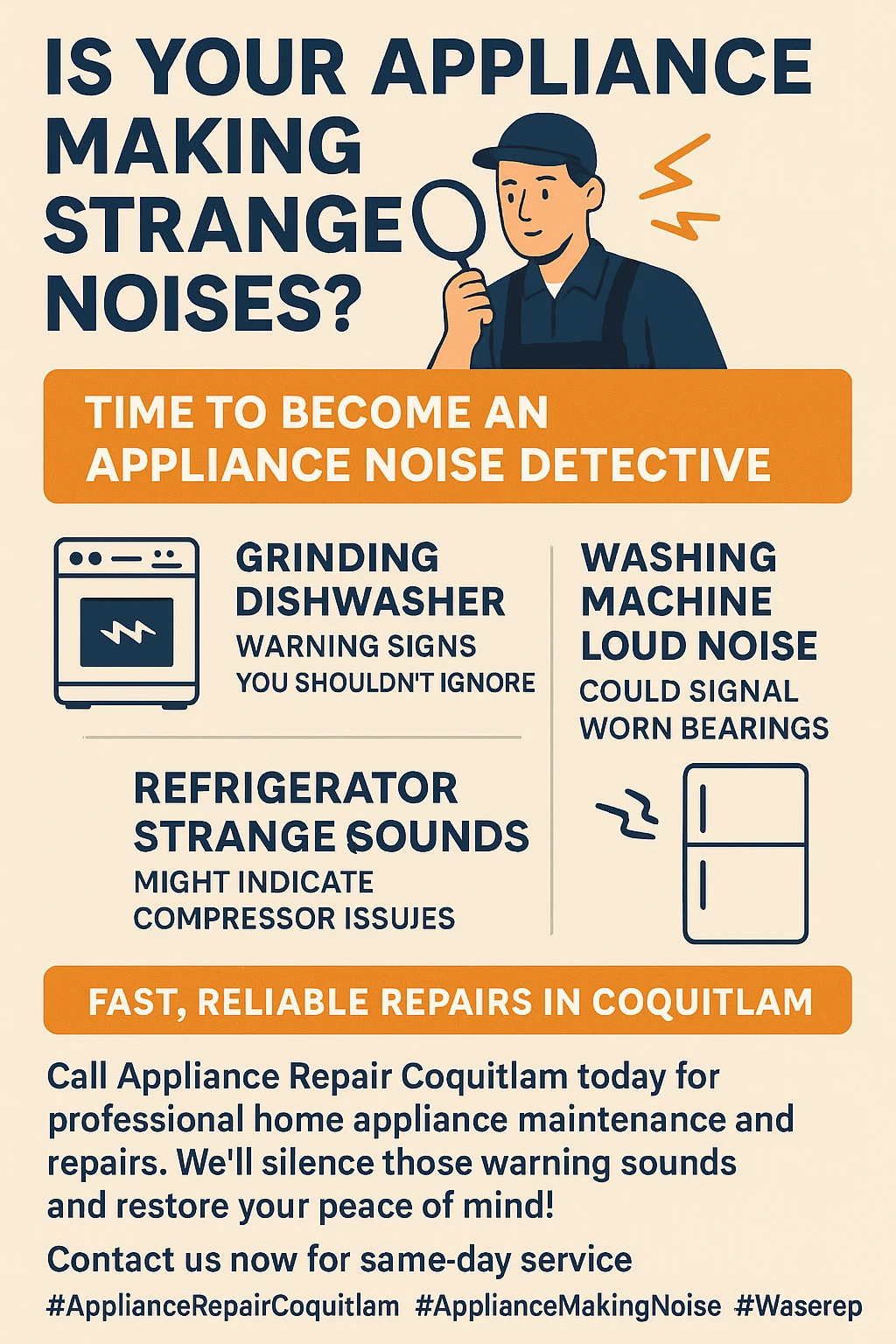
Every appliance has its own soundtrack of normal operation, kind of like how each car has its unique engine purr. The trick lies in distinguishing between these everyday mechanical conversations and the urgent SOS signals that demand immediate attention. Think of it as learning your appliances’ normal speaking voice versus their emergency scream. Most homeowners in neighborhoods like Westwood Plateau and Burke Mountain live with modern appliances that naturally produce various sounds during normal operation. Your dishwasher’s gentle swooshing, your refrigerator’s periodic humming, and your dryer’s rhythmic tumbling are all part of the expected acoustic environment. These sounds typically follow predictable patterns, occur at regular intervals, and don’t interfere with the appliance’s performance. Warning sounds, however, break these established patterns in noticeable ways. They might be louder, more frequent, irregular, or completely new additions to your appliance’s usual repertoire. These sounds often coincide with changes in performance – your washer might start banging while clothes come out still soaking wet, or your oven might start clicking while failing to maintain temperature.
Refrigerator and Freezer Sound Diagnosis
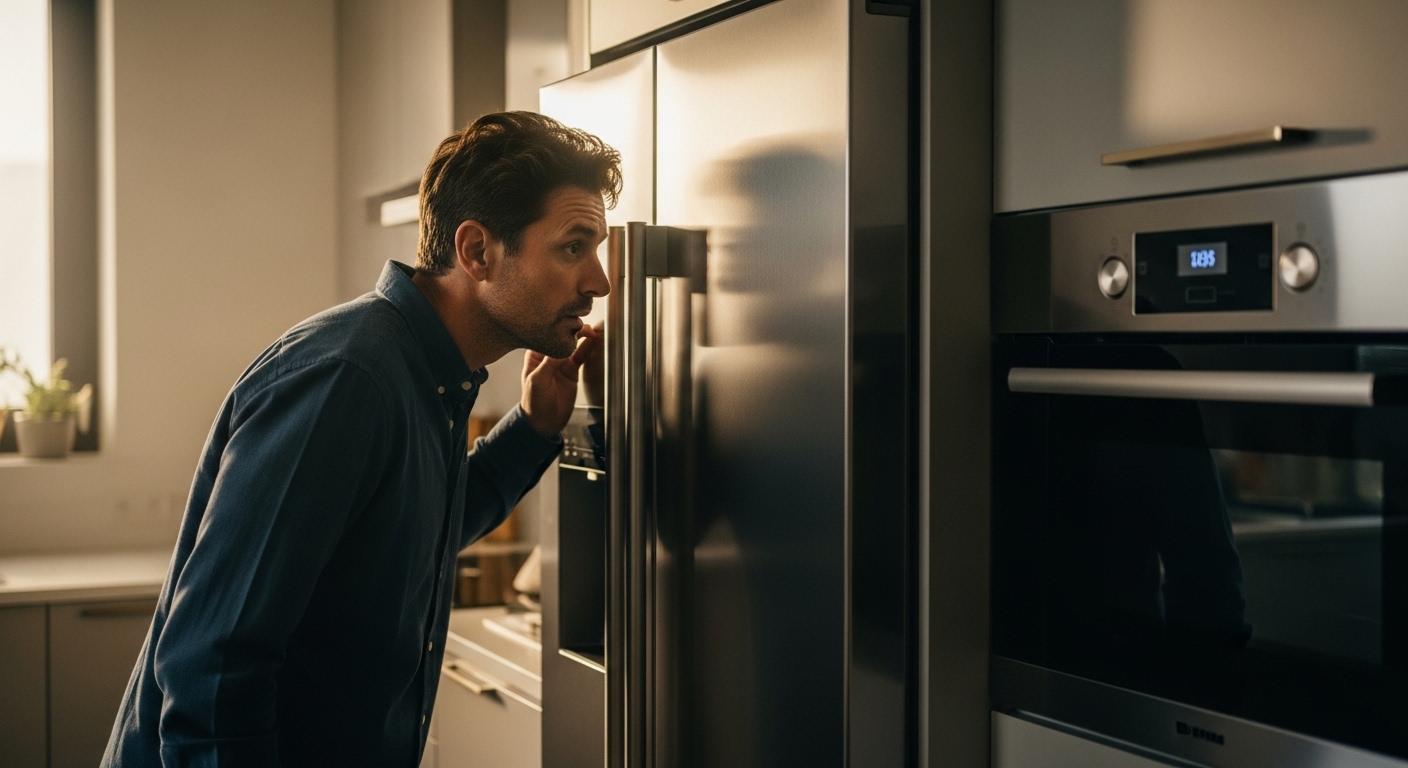 Building on our understanding of normal versus warning sounds, refrigerators present one of the most complex soundscapes in your kitchen. These hardworking appliances cycle through multiple operational modes throughout the day, creating a symphony of clicks, hums, and whooshes that can either signal smooth sailing or impending doom. The compressor serves as your refrigerator’s heart, and like any vital organ, it has distinct sounds for different conditions. A healthy compressor produces a low, steady hum that cycles on and off regularly – this is your fridge working exactly as designed. However, when that hum becomes a loud buzzing, grinding, or clicking that doesn’t stop, you’re looking at potential compressor failure. This is particularly crucial to catch early, as compressor replacement can cost more than many newer refrigerator models. Ice makers and water dispensers add their own acoustic signatures to the mix. Normal operation includes occasional clicking as valves open and close, gentle whooshing as water flows, and periodic dropping sounds as ice cubes fall. Warning signs include continuous clicking without ice production, loud banging during the ice-making cycle, or grinding sounds when dispensing water. Temperature control issues often announce themselves through sound before you notice warm milk or melted ice cream. Listen for short cycling – when your compressor turns on and off rapidly in short bursts rather than running steady cycles. This pattern suggests your refrigerator is struggling to maintain proper temperatures, possibly due to dirty coils, worn door seals, or refrigerant issues.
Washing Machine Noise Troubleshooting
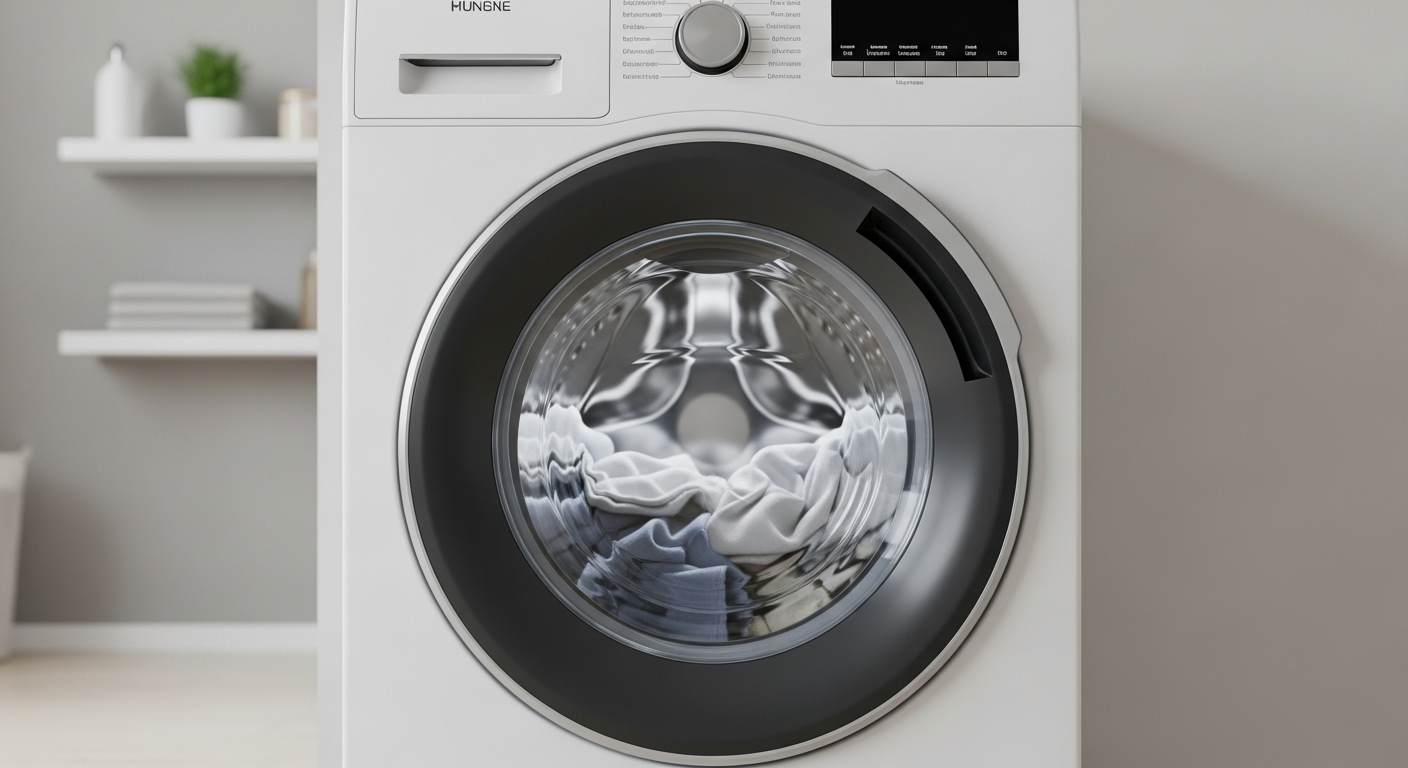 Transitioning from stationary appliances to those with moving parts, washing machines create an entirely different category of diagnostic sounds. These appliances combine water movement, mechanical agitation, and high-speed spinning into a complex audio profile that changes dramatically throughout each wash cycle. During the wash cycle, normal operation produces gentle swishing and occasional clicking as the machine transitions between phases. The agitator or drum should move smoothly without scraping, grinding, or banging sounds. If you hear metallic scraping, especially during agitation, this often indicates worn drum bearings or objects caught between the drum and tub – both situations that require immediate attention to prevent more extensive damage. The spin cycle reveals the most dramatic sound differences between healthy and problematic machines. A properly functioning washer gradually accelerates to high speeds with a smooth whooshing sound. Warning signs include violent shaking accompanied by banging, high-pitched squealing, or rhythmic thumping that doesn’t resolve when you redistribute the load. These sounds often indicate worn shock absorbers, unbalanced loads, or bearing problems. Water-related sounds provide another diagnostic category entirely. Normal water filling produces steady flow sounds, while problematic filling might include gurgling, excessive splashing, or complete silence when water should be entering. Similarly, draining should produce consistent flowing sounds – gurgling, backing up noises, or failure to drain completely all point toward plumbing or pump issues that need professional assessment.
Dryer Performance Audio Clues
Moving from water-based appliances to heat-based systems, dryers present unique sound patterns that directly correlate with their ability to efficiently dry your clothes. Unlike washing machines that have distinct cycle phases, dryers maintain relatively consistent operation throughout their cycles, making unusual sounds easier to identify against their steady baseline. The drum rotation system creates the most obvious sound signature in any dryer. Healthy operation produces smooth tumbling with occasional gentle thumping as clothes move around. However, when you start hearing squealing, scraping, or rhythmic thumping that persists regardless of load size, you’re likely dealing with worn drum rollers, a stretched belt, or damaged drum bearings. These components work together to ensure smooth rotation, and failure of any one piece affects the entire system. Heating elements and gas burners contribute their own acoustic signatures that often get overlooked until problems become serious. Electric dryers should operate relatively quietly from a heating perspective, while gas dryers produce gentle whooshing as the burner cycles. Warning signs include clicking without heat production, continuous gas flow sounds, or unusual burning odors accompanied by strange noises. Residents in areas like Como Lake and Ranch Park should be particularly attentive to gas appliance sounds, as proper ventilation and operation are crucial for safety.
Ventilation System Sounds
The ventilation system plays a crucial role in dryer performance and creates specific sounds that indicate airflow efficiency. Proper airflow produces minimal noise – just gentle air movement through the vent system. Reduced airflow, often caused by lint buildup or crushed ducts, creates more aggressive fan sounds as the motor works harder to move air through restricted passages. Listen for changes in the exhaust fan intensity throughout the drying cycle. If the fan sounds increasingly strained or if you notice whistling sounds from the vent area, these indicate airflow restrictions that not only reduce efficiency but can create fire hazards. Regular maintenance of ventilation systems prevents most of these issues, but sound monitoring helps catch problems between cleaning schedules.
Dishwasher Operation Sound Patterns
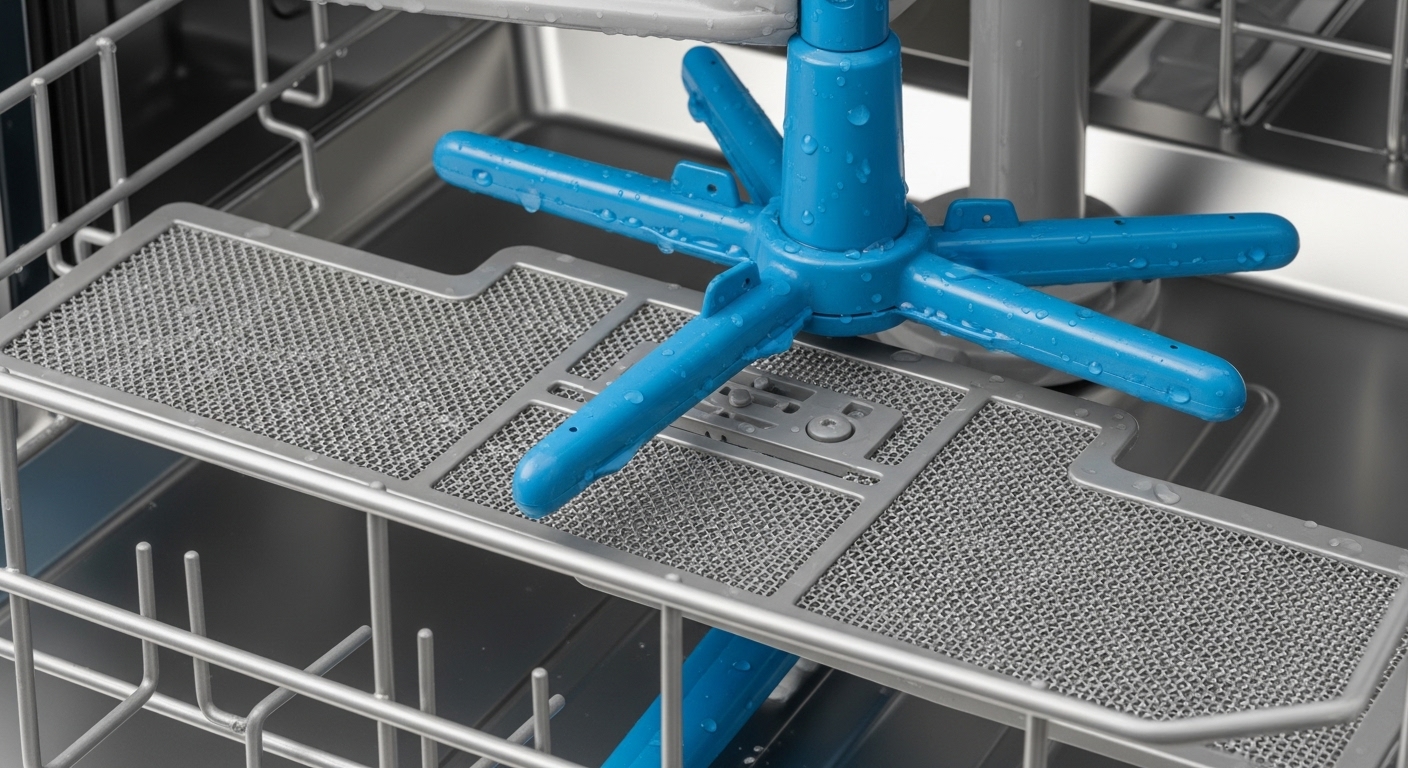 Continuing our exploration of water-using appliances, dishwashers create perhaps the most varied soundscape of any kitchen appliance. These machines cycle through multiple phases – washing, rinsing, and drying – each with distinct sound patterns that can reveal specific operational problems long before dishes come out dirty or still wet. The wash pump system generates most of the significant sounds during operation. Normal operation includes rhythmic swooshing as water circulates, occasional clicking as spray arms change direction, and gentle humming from the motor. However, grinding sounds during washing often indicate objects caught in the pump or disposal system, while excessive noise during water circulation might suggest worn pump bearings or damaged spray arms. Water temperature and pressure issues manifest through specific audio cues that many homeowners in Forest Hills and Eagle Ridge can learn to recognize. Proper water heating produces minimal sound changes, but struggling heating elements often create clicking or popping sounds. Similarly, adequate water pressure maintains consistent spray patterns, while low pressure results in weaker, more erratic water sounds that directly impact cleaning performance. The drainage system provides clear audio feedback about dishwasher health. Normal draining produces steady flowing sounds that gradually diminish as water exits the tub. Problematic drainage creates gurgling, backup sounds, or complete silence when draining should occur. These issues often stem from clogged filters, blocked drain hoses, or garbage disposal problems that prevent proper water evacuation.
Frequently Asked Questions
How can I tell if a refrigerator noise is serious enough to call for repairs?
Listen for changes in your refrigerator’s normal sound patterns, particularly with the compressor cycling. If clicking, buzzing, or humming becomes constant rather than intermittent, or if new sounds appear alongside temperature control problems, these indicate serious issues requiring professional diagnosis. Normal operational sounds follow predictable patterns, while warning sounds break these established rhythms.
What does it mean when my washing machine makes different sounds during the spin cycle?
Spin cycle sounds reveal crucial information about your washing machine’s mechanical health. Smooth acceleration with consistent whooshing indicates proper operation, while squealing, banging, or rhythmic thumping suggests bearing problems, unbalanced loads, or worn shock absorbers. These issues can cause secondary damage if ignored, so unusual spin cycle sounds warrant immediate attention.
Why is my dryer making squealing noises, and should I continue using it?
Squealing typically indicates worn drum rollers, a stretched belt, or bearing problems within the rotation system. While not immediately dangerous, continuing operation can cause additional damage to connected components and reduce drying efficiency. Stop using the dryer and schedule professional service to prevent more extensive repairs.
Wrapping Up
Learning to decode your appliances’ audio language transforms you from a passive homeowner into an active partner in maintaining your household systems. By recognizing the difference between normal operational sounds and warning signals, you’re positioned to catch problems early, budget for repairs proactively, and avoid those middle-of-the-night appliance emergencies that always seem to happen at the worst possible moments. When those concerning sounds do emerge, and you need professional diagnosis and repair services in Coquitlam, Port Coquitlam, or Port Moody, Appliance Repair Coquitlam provides same-day service with experienced technicians who speak fluent appliance language and can restore peace and quiet to your home.