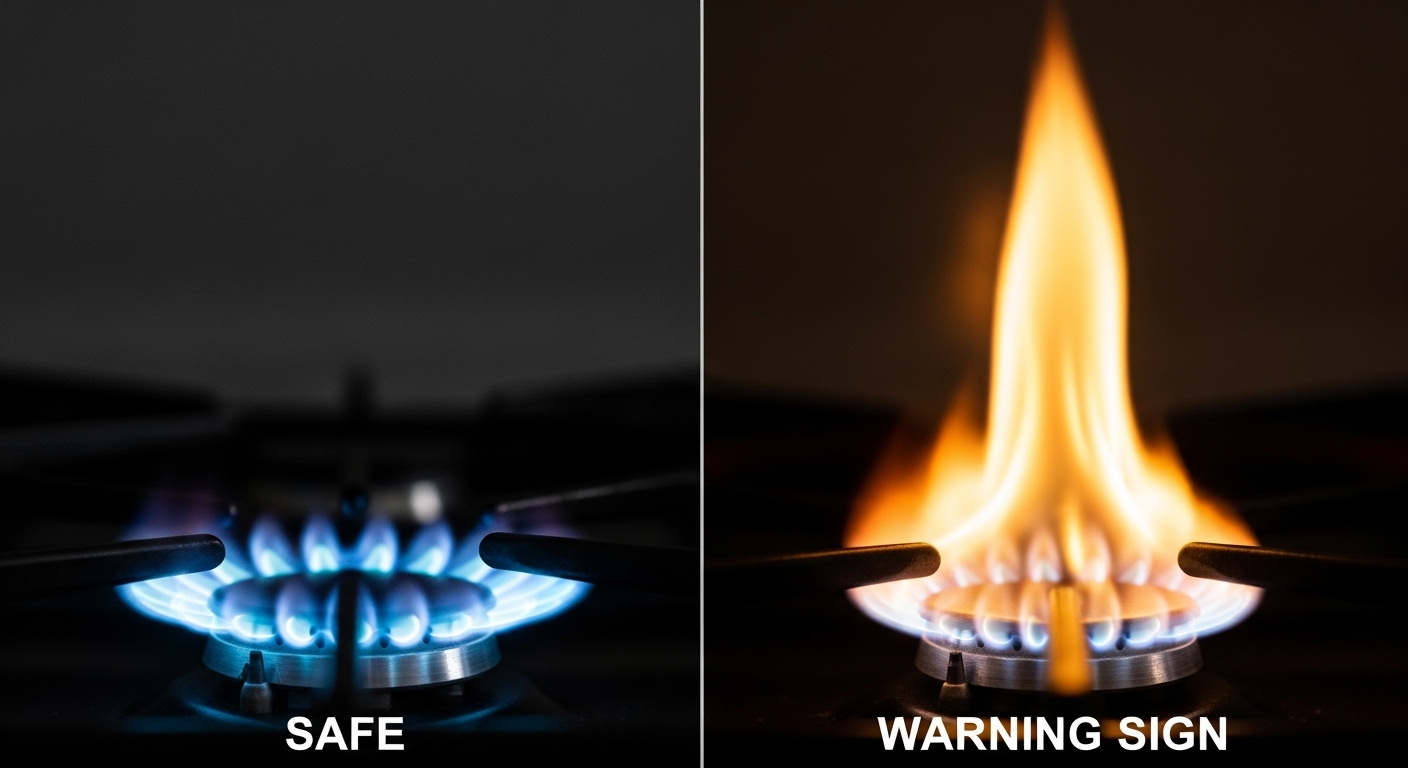
Worried about that persistent headache everyone in your family seems to have, or wondering why your pets are acting strangely around certain rooms in your Coquitlam home? The culprit might be an invisible killer lurking in your gas appliances that could put your entire family at risk.
Picture this: you’re settling down for a cozy evening at home when your carbon monoxide detector starts shrieking at 2 AM. Your heart races as you try to remember what you’re supposed to do – do you check the furnace first, or get everyone out immediately? If you’re like most Coquitlam homeowners, you probably haven’t given much thought to carbon monoxide safety until that terrifying moment arrives. The reality is that carbon monoxide poisoning sends thousands of people to hospitals every year, and tragically, many don’t make it out alive. What makes this even more frightening is that the gas responsible for these tragedies is completely invisible, odorless, and tasteless – earning it the chilling nickname “the silent killer.” Your nose won’t save you, your eyes can’t warn you, and by the time your body starts desperately trying to tell you something’s wrong, you might already be in serious danger.
The thing that really gets me fired up about carbon monoxide safety is how preventable these disasters actually are. We’re not talking about some unpredictable act of nature here – we’re dealing with a problem that has clear warning signs, established prevention methods, and proven solutions. Yet every winter, families throughout British Columbia face carbon monoxide emergencies because they didn’t know what to look for or how to protect themselves. Your gas furnace, water heater, stove, and other appliances that keep your home comfortable and functional can become deadly weapons if they’re not properly maintained or if their ventilation systems fail. But here’s the empowering part: once you understand how carbon monoxide is produced, what warning signs to watch for, and what steps to take, you can absolutely protect your family from this threat.
Living in Coquitlam means dealing with wet winters, temperature fluctuations, and the kind of weather that puts extra stress on heating systems. It also means living in an area where many homes rely heavily on gas appliances for heating, cooking, and hot water. The combination of these factors creates a perfect storm for carbon monoxide problems if homeowners aren’t vigilant about maintenance and safety. This isn’t about becoming paranoid or ripping out all your gas appliances – it’s about becoming an informed homeowner who knows how to enjoy the benefits of gas appliances while keeping your family safe.
Key Outtakes:
- Carbon monoxide is completely invisible, odorless, and tasteless, making it impossible to detect without proper alarms – it’s produced when gas appliances burn fuel incompletely due to poor maintenance or ventilation problems
- Early symptoms like headaches, dizziness, and nausea are often mistaken for flu or other common illnesses, but if multiple family members experience these symptoms simultaneously, carbon monoxide exposure should be suspected immediately
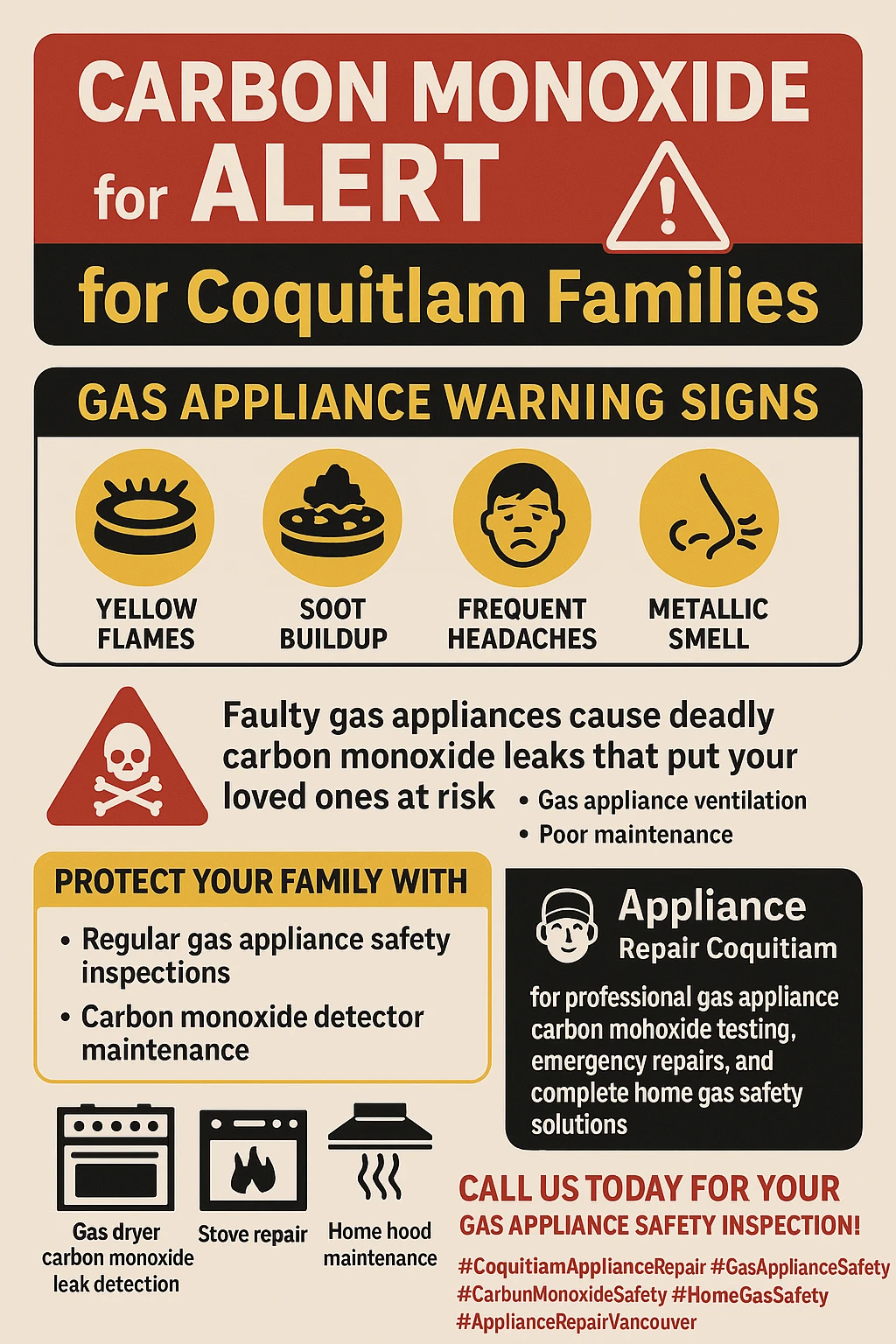
- Yellow or orange flames on gas burners, soot buildup around appliances, and excessive indoor humidity are critical warning signs that indicate dangerous incomplete combustion and potential carbon monoxide production
- Annual professional inspection of all gas appliances by certified technicians is absolutely essential, as they can identify problems that homeowners cannot detect with visual inspection alone
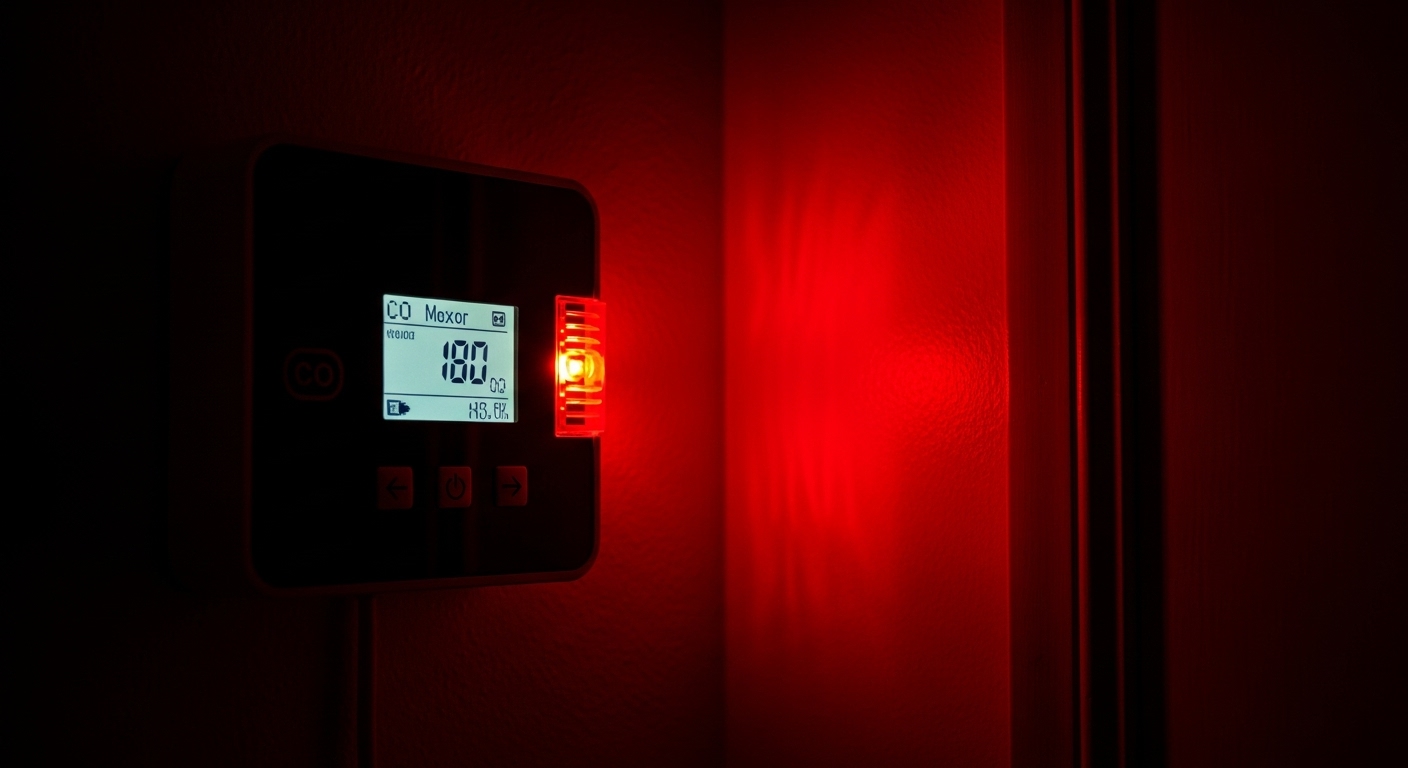
- Proper carbon monoxide detector placement on every level of the home, especially near sleeping areas, provides crucial backup protection but should never replace regular appliance maintenance and professional inspections
Understanding the Silent Killer: What Makes Carbon Monoxide So Dangerous
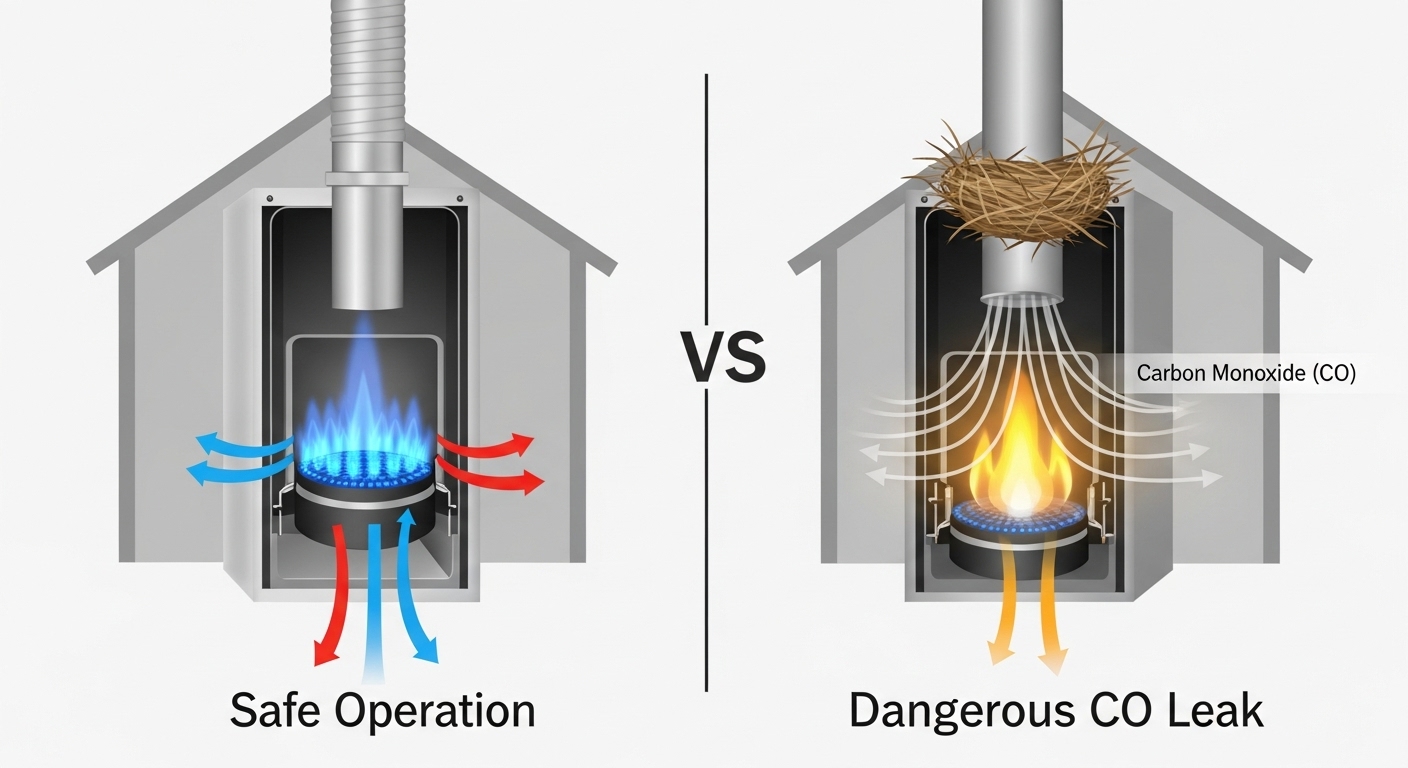
Let me start by explaining exactly what we’re dealing with when we talk about carbon monoxide, because understanding your enemy is the first step in protecting your family. Carbon monoxide is what happens when your gas appliances don’t burn fuel completely – think of it as the toxic byproduct of incomplete combustion. When your furnace, stove, or water heater isn’t getting enough oxygen or isn’t venting properly, instead of producing harmless carbon dioxide and water vapor, they start churning out this deadly gas. The scary part isn’t just that it’s invisible and odorless – it’s how it actually kills you.
When you breathe in carbon monoxide, it binds to your red blood cells about 200 times more readily than oxygen does. Essentially, it hijacks your blood’s ability to carry oxygen throughout your body. Your organs start suffocating from the inside out, beginning with your brain and heart – the parts of your body that need oxygen the most. What makes this particularly insidious is that the process happens gradually, so you might not even realize what’s happening until you’re in serious trouble. Your body doesn’t have any built-in alarm system for carbon monoxide like it does for other dangers.
The production of carbon monoxide in your home happens more easily than you might think. Any gas-burning appliance can produce it when something goes wrong – a partially blocked heat exchanger in your furnace, a clogged vent on your water heater, or even something as simple as a bird’s nest in your chimney. In Coquitlam’s climate, we see increased risks during winter months when heating systems work overtime and when snow or debris can block outdoor vents. The wet weather can also cause corrosion in vent pipes, creating leaks that allow carbon monoxide to escape into your living spaces instead of safely exiting outside.
What really drives home the danger is understanding how quickly things can go wrong. Unlike natural gas, which has an added smell (that rotten egg odor) to warn you of leaks, carbon monoxide provides absolutely no warning. You could be sitting in a room with dangerous levels of this gas, feeling perfectly fine one moment, then suddenly finding yourself confused, dizzy, and unable to think clearly enough to get help. This is why carbon monoxide is often called the silent killer – it strikes without warning and can overwhelm you before you realize you’re in danger.
The science behind why carbon monoxide is so deadly relates to how your body processes oxygen. When carbon monoxide molecules attach to your hemoglobin, they form a compound called carboxyhemoglobin, which essentially turns your red blood cells into useless cargo carriers. Instead of delivering life-giving oxygen to your brain, heart, and other vital organs, your blood is carrying poison. Your heart starts working overtime trying to pump what it thinks is oxygenated blood, while your brain begins shutting down non-essential functions to conserve what little oxygen it can get. This is why the first symptoms often feel like exhaustion or mild illness – your body is literally running on fumes.
Recognizing the Warning Signs Before It’s Too Late
Now that we’ve covered the scary science, let’s talk about the warning signs that can actually save your life and your family’s lives. The tricky thing about carbon monoxide poisoning is that the symptoms mimic so many other common problems that people often don’t recognize what’s happening until it’s almost too late. But there are specific patterns and clues that can tip you off if you know what to look for.
The early symptoms of carbon monoxide poisoning are maddeningly similar to having the flu – headaches, dizziness, nausea, weakness, and fatigue. But here’s the key difference: with carbon monoxide poisoning, multiple people in the household typically experience these symptoms at the same time. If you, your spouse, and your kids are all suddenly feeling lousy with similar symptoms, especially during heating season, that’s a major red flag. Another crucial clue is that the symptoms tend to improve when you leave the house and get worse when you return.
Pay special attention to your pets, because they often show signs of carbon monoxide exposure before humans do. Dogs and cats experiencing carbon monoxide poisoning might become unusually agitated or lethargic, refuse to go into certain rooms, vomit unexpectedly, or seem to have trouble breathing. I’ve heard stories of families whose pets literally saved their lives by acting strangely and refusing to stay in the house. Animals have a lower tolerance for carbon monoxide than humans, so they can serve as an early warning system if you’re paying attention.
Beyond the physical symptoms in people and pets, your gas appliances themselves will often give you warning signs that something’s wrong. The most important thing to check is the color of flames on your gas appliances. A properly functioning gas burner should produce a steady, bright blue flame. If you see yellow, orange, or red flames, or if the flame flickers and dances erratically, that’s a sign of incomplete combustion and potential carbon monoxide production. This is especially important to monitor on your gas stove, where you can easily observe the flames during regular